September 10, 2026
In today's rapidly evolving technological landscape, businesses must prioritize the security of their physical facilities, digital information, employees, and other valuable assets. Modern access control solutions have become important tools for managing who can enter specific spaces or interact with protected resources. Rather than relying solely on traditional locks, organizations can use integrated systems to establish permissions, monitor activity, and respond quickly when security concerns arise. As technological advancements continue to redefine the business environment, understanding how access control systems function can help organizations build a more coordinated security strategy. These systems can also support operational efficiency by reducing manual security processes and giving administrators greater visibility into activity across a facility.
Understanding Access Control Systems
Access control systems are security tools designed to regulate who or what can enter a location, use a device, or interact with protected information. Key components may include authentication mechanisms, authorization protocols, electronic locks, card readers, biometric scanners, access credentials, and centralized management software. Together, these components help ensure that employees, contractors, visitors, and other users receive access appropriate to their roles. Businesses can establish different levels of permission for offices, storage rooms, data centers, production areas, and other sensitive locations. Well-designed access control solutions can therefore provide businesses with a structured way to protect resources while allowing authorized personnel to move efficiently through their work environments.
Advancing Beyond Traditional Security Methods
Access control technology has progressed significantly from conventional locks and physical keys. Electronic cards, mobile credentials, biometric identification, cloud-based platforms, and network-connected devices now provide organizations with additional ways to manage security. Unlike physical keys that may need to be replaced when lost or copied, electronic credentials can often be deactivated or modified quickly. Centralized platforms also allow administrators to manage permissions without physically changing locks throughout a facility. These developments make security management more adaptable, particularly for organizations with numerous employees, multiple buildings, or frequently changing personnel requirements.
Selecting Appropriate Access Models
Different access models can be used depending on an organization's security requirements. Role-Based Access Control, for example, grants permissions according to a person's position or responsibilities. Other models can establish access based on attributes, organizational policies, or predetermined security classifications. Choosing the appropriate structure allows businesses to avoid granting unnecessary privileges while ensuring employees can access the resources required for their work. Access control solutions can also be configured differently across departments, facilities, or security zones, allowing an organization to establish protections that reflect the sensitivity and purpose of each area.
Integrating Security Software and Infrastructure
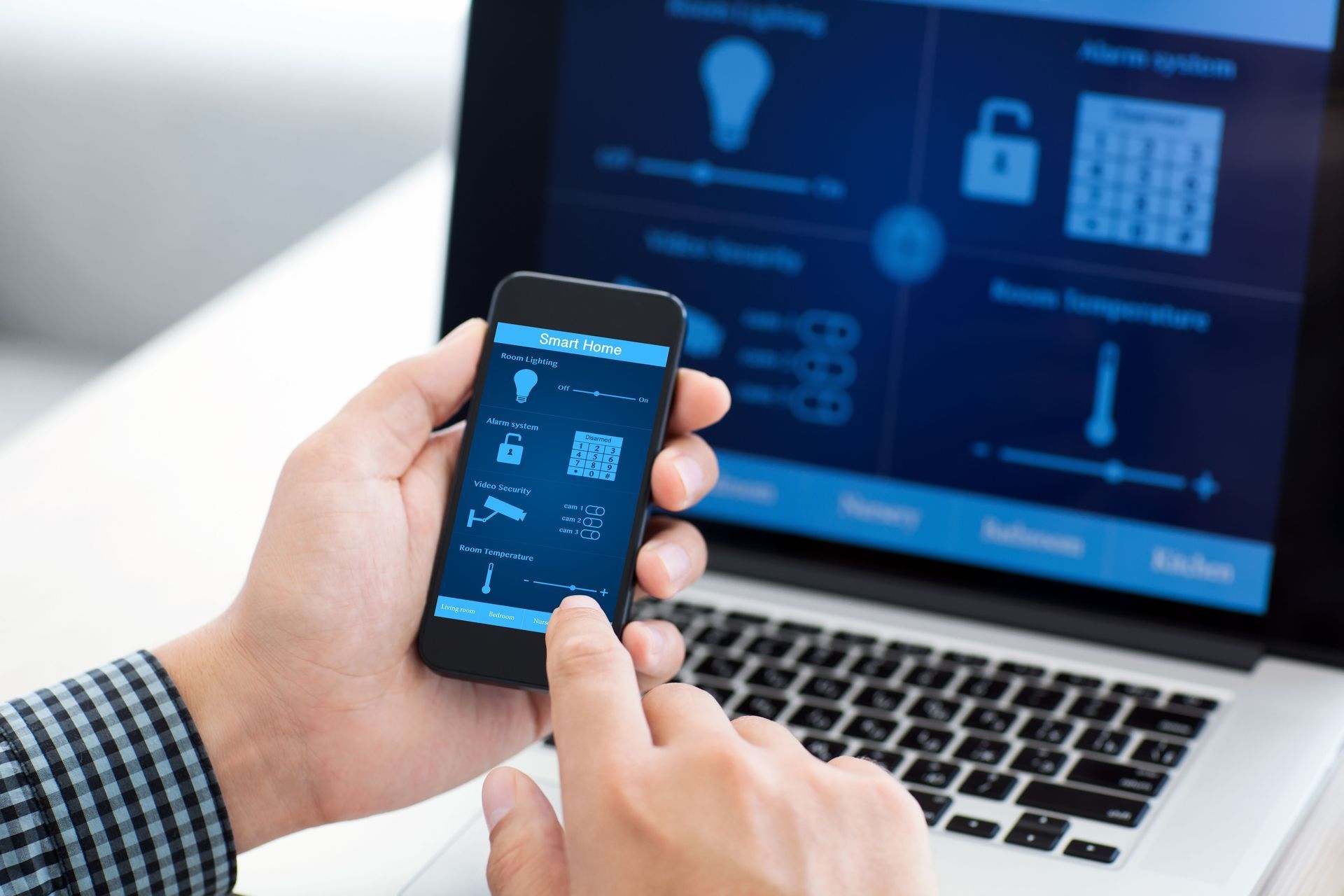
Software is central to the management of modern access systems because it can provide administrators with a centralized location for establishing permissions, reviewing activity, and changing credentials. Integration with existing cameras, alarms, databases, and network infrastructure can further improve visibility. According to AVIXA, continuous growth in demand for integrated video, collaboration, and conferencing solutions is anticipated by 53% of systems integration providers. This trend illustrates the broader importance of interconnected technology in modern business environments. Careful planning during integration can help businesses avoid unnecessary disruptions while ensuring that new security technology works effectively with existing infrastructure.
Restricting Unauthorized Physical Entry
One of the primary purposes of access control is preventing unauthorized individuals from entering protected areas. Businesses may use identification cards, PIN codes, mobile credentials, or biometric verification to authenticate users before permitting entry. Restricting access is particularly important for locations containing valuable equipment, confidential records, inventory, hazardous materials, or critical technology. Access control solutions can create different security zones so that an employee authorized to enter one part of a building does not automatically receive unrestricted access to every area. This layered approach allows organizations to align physical access privileges with job responsibilities and security risks.
Combining Access Control and Surveillance
Integrating access systems with surveillance technology can provide additional context when security events occur. Cameras positioned near controlled doors, gates, and other entry points can help security personnel verify identities and investigate unusual activity. Sensors and monitoring platforms may also alert personnel when doors are forced open, held open longer than expected, or accessed outside normal operating hours. Centralized monitoring can make it easier for security teams to respond to incidents across larger properties. Detailed access records combined with surveillance footage can also provide useful information when investigating suspected theft, unauthorized entry, or other security concerns.
Supporting Emergency Response Procedures
Access systems can contribute to emergency preparedness by helping organizations manage entrances and exits during critical situations. Depending on system design and applicable safety requirements, administrators may be able to secure particular areas or adjust permissions quickly. Integration with fire alarms and other emergency systems can support evacuation procedures while helping personnel maintain visibility into facility activity. Organizations should carefully plan emergency configurations so security measures do not interfere with safe evacuation. Regular testing and employee training can further ensure that security technology supports established emergency response procedures rather than creating confusion during an incident.
Managing Visitors and Temporary Access
Businesses frequently need to provide temporary access to contractors, vendors, clients, delivery personnel, and other visitors. Visitor management systems can simplify this process by registering guests, issuing temporary credentials, recording arrival and departure times, and restricting access to approved locations. Access control solutions can help organizations avoid giving visitors permanent credentials or unnecessary freedom to move throughout a property. Temporary permissions can also be configured to expire automatically, reducing the risk that an old credential remains active after a contractor or visitor no longer requires access.
Protecting Digital Information and Systems
Access management extends beyond doors and physical barriers. Businesses must also protect databases, applications, networks, files, and other digital resources from unauthorized users. Authentication methods such as passwords, multifactor authentication, smart cards, and biometrics can help verify user identities. Authorization rules then determine which information or systems authenticated individuals can use. Limiting privileges according to job responsibilities reduces unnecessary exposure of sensitive information. Organizations can further strengthen digital protections by combining access policies with encryption, firewalls, intrusion detection systems, security updates, and employee cybersecurity training.
Creating Audit Trails and Activity Records
Modern systems can generate detailed records showing when credentials were used, which locations were accessed, and whether access attempts were approved or denied. These audit trails can help businesses identify unusual behavior and investigate incidents. For example, repeated denied access attempts or activity occurring at unusual hours may warrant additional review. Access control solutions with centralized reporting capabilities can also simplify security audits by providing administrators with organized information about user activity and permission changes. Maintaining appropriate records can support accountability while helping businesses evaluate whether their existing security policies remain effective.
Improving Employee Access and Productivity
Security measures should protect resources without creating unnecessary obstacles for employees. Automated systems can make entry more efficient by allowing authorized workers to move between approved areas without repeatedly requesting assistance. Administrators can assign permissions according to departments, shifts, responsibilities, or locations. When an employee changes positions, the individual's permissions can be adjusted accordingly. New hires can receive appropriate credentials during onboarding, while access can be revoked promptly when an employee leaves the organization. This centralized approach can reduce administrative work and make credential management more consistent.
Effective security requires more than installing individual devices. Businesses should evaluate physical vulnerabilities, digital risks, employee responsibilities, visitor procedures, emergency requirements, and long-term operational goals when developing their approach. Access control solutions can serve as one important component of this broader strategy by connecting identity verification, permissions, monitoring, and recordkeeping. Regular reviews, software updates, employee training, and adjustments to access privileges can help ensure that the system continues to reflect changing business needs. By treating access management as an ongoing process rather than a one-time installation, organizations can create a security framework that protects important resources while supporting efficient daily operations. Contact our team at Marsh Cable & Connectors today and learn more about our access control services.