July 3, 2026
Convenience plays a major role in how people interact with technology at home, at work, and in public spaces. While security remains a priority, many modern tools are designed to make everyday tasks easier and more efficient. Access control systems are a great example, helping people manage entry to buildings and restricted areas without relying on traditional locks and keys.
Today’s access control solutions do far more than limit access. They help simplify daily routines, reduce administrative work, support flexible schedules, and integrate with technologies people already use. Whether installed in offices, apartment communities, healthcare facilities, schools, or homes, these systems are making daily life more convenient while maintaining strong security.
Simplifying the Entry Process
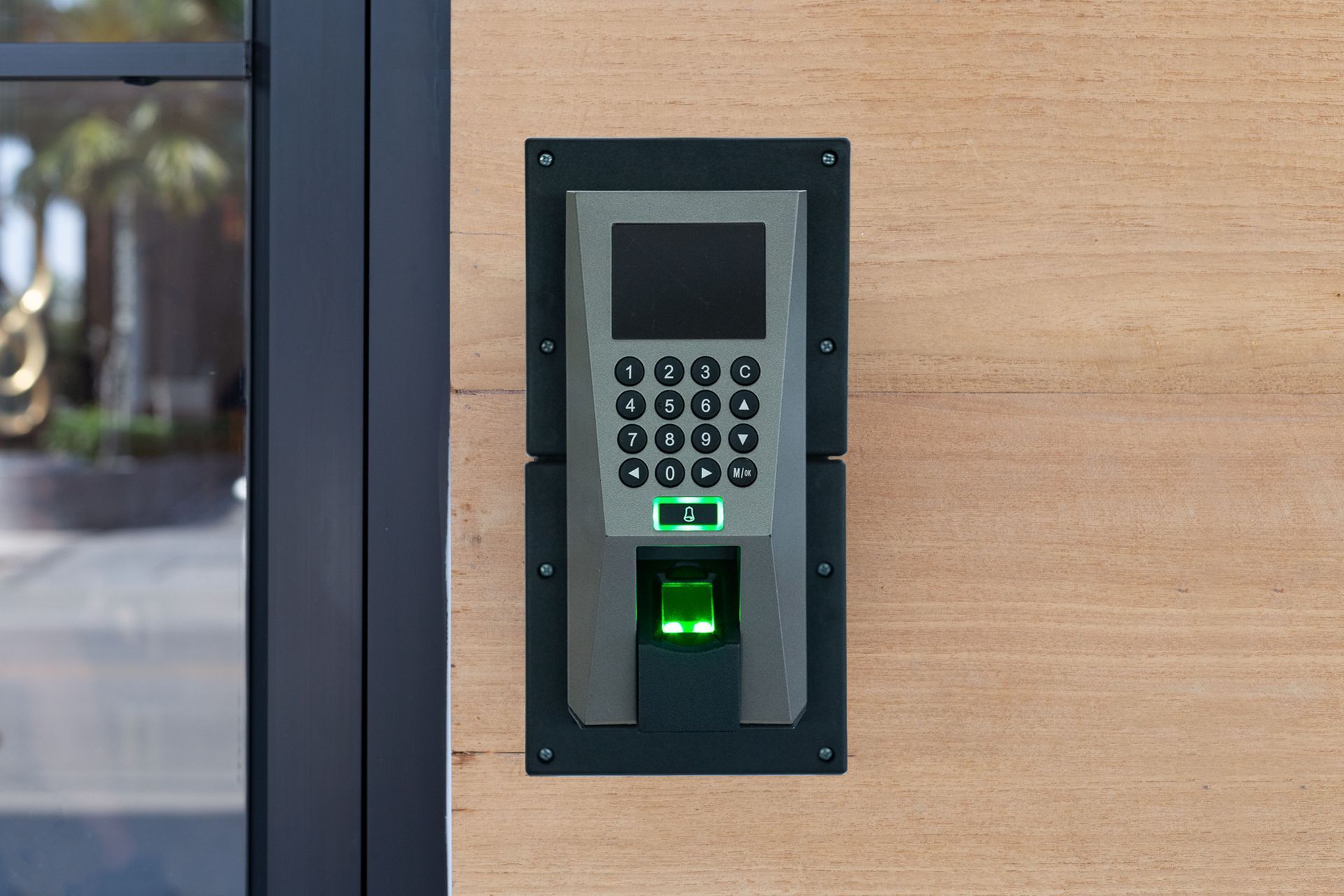
One of the biggest advantages of access control systems is making entry faster and easier. Traditional keys can be lost, forgotten, or copied, creating both inconvenience and security concerns. Modern systems use keycards, mobile credentials, and biometric authentication to provide quick and secure access.
For users, this means less time spent searching for keys and more efficient movement throughout a building. A single credential can provide access to multiple authorized areas while maintaining appropriate security levels. This is especially helpful in larger facilities where multiple doors require controlled access.
Businesses benefit as well because employees can move through authorized spaces without delays. By removing common access obstacles, access control solutions help create smoother daily operations and improved productivity.
Enhancing the Monitoring Experience
Access control systems provide valuable visibility into building activity. Administrators can review who entered specific areas, when access occurred, and how frequently certain locations are used. This information supports both security and operational efficiency.
Real-time monitoring features allow facility managers to respond quickly when unusual activity occurs. Notifications can alert authorized personnel when access attempts are denied or when unexpected entry patterns are detected. These capabilities help organizations address issues before they become larger problems.
Industry growth reflects the increasing demand for these technologies. According to insights by Grand View Research, the U.S. access control market generated more than $2.6 billion in revenue during 2024 and is expected to reach nearly $3.7 billion by 2030. This growth highlights the value organizations place on systems that improve convenience while strengthening security.
For most users, these monitoring functions operate quietly in the background, creating a safer environment without interrupting daily activities.
Streamlining the Management Process
Managing access manually can become difficult, especially for organizations with large numbers of employees, contractors, visitors, or tenants. Access control systems simplify this process by providing centralized management tools that make updates fast and efficient.
Instead of changing locks or distributing new keys, administrators can adjust permissions through software. When employees change roles or leave an organization, access rights can be modified immediately. This flexibility reduces administrative burdens while helping maintain security standards.
Centralized management also improves consistency across multiple locations. Administrators can oversee permissions from a single platform rather than coordinating separate systems. These efficiencies show why access control solutions have become an important part of modern facility management.
Supporting the Flexible Workplace
Modern workplaces often require greater flexibility than ever before. Employees may work remotely, travel frequently, or follow nontraditional schedules. Access control systems help organizations accommodate these needs while maintaining oversight and security.
Remote credential management allows authorized users to receive access permissions without visiting a physical office. This capability simplifies onboarding and supports temporary workers, contractors, and hybrid employees. Organizations can grant access quickly while maintaining control over who enters secured areas.
Many systems also allow administrators to schedule permissions based on specific times and dates. This feature helps align access privileges with operational needs while reducing unnecessary exposure to sensitive spaces. As workplace flexibility continues to grow, access control solutions help organizations balance convenience and security.
Integrating With Smart Technologies
Another reason access control systems add convenience is their ability to work with other technologies. Rather than operating independently, many systems integrate with broader digital ecosystems to create seamless user experiences.
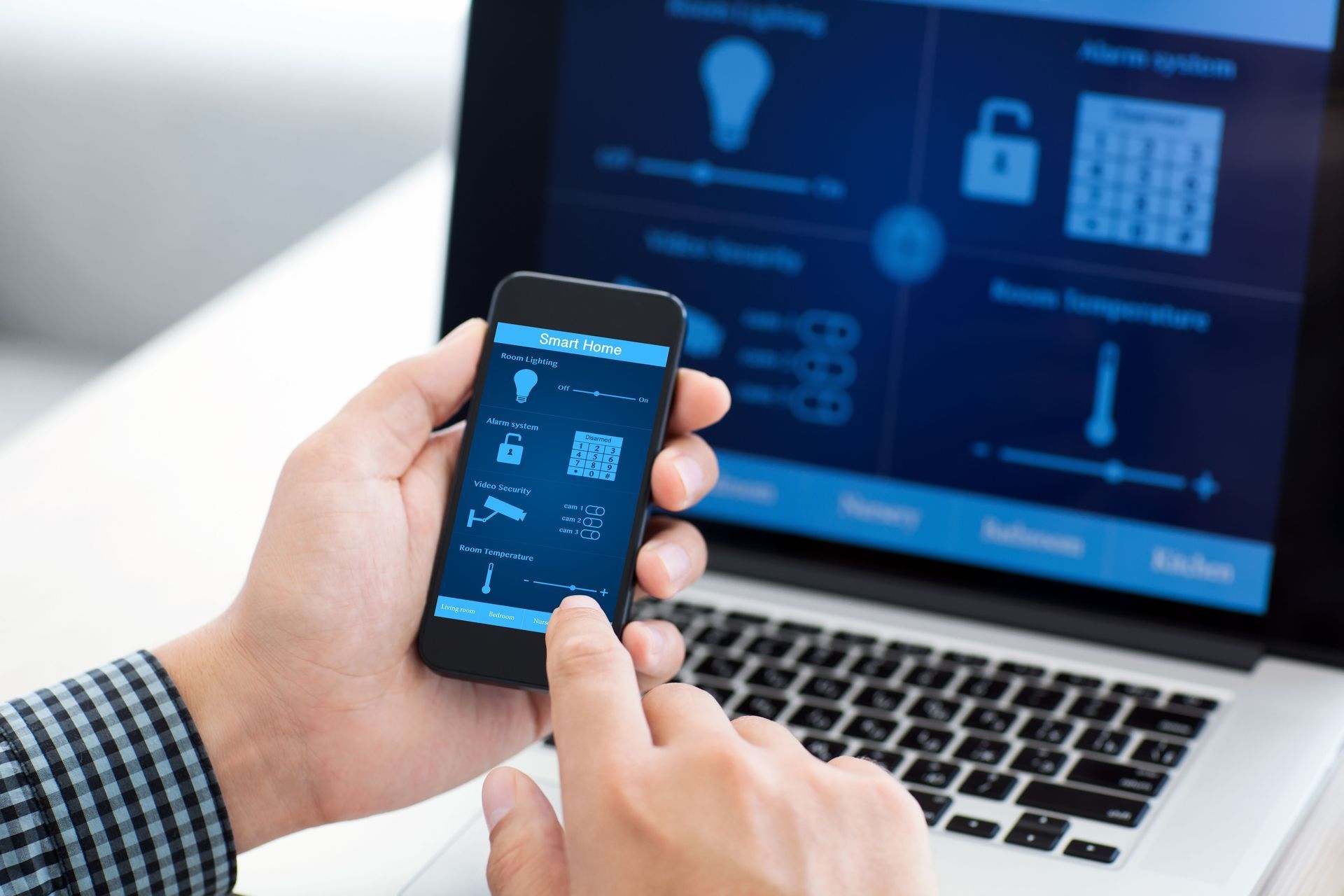
Mobile applications allow users to unlock doors, manage credentials, and receive notifications directly from their smartphones. This functionality reduces reliance on physical cards and gives users greater flexibility. Many people appreciate having building access available through a device they already carry every day.
Access systems can also integrate with surveillance cameras, visitor management software, building automation platforms, and smart home technologies. These connections allow multiple systems to communicate and support a more streamlined experience. As technology continues to evolve, access control solutions remain adaptable and relevant.
Reducing the Dependence on Physical Keys
Physical keys have long been the standard for securing buildings, but they often create challenges. Keys can be lost, damaged, or duplicated, leading to security concerns and replacement costs. Access control systems offer a more efficient alternative through digital credentials.
When a credential is lost, administrators can deactivate it immediately without replacing locks throughout the facility. This capability saves time, reduces expenses, and helps maintain security. It also minimizes the risk associated with misplaced keys.
For users, carrying a smartphone, keycard, or biometric credential is often far more convenient than managing multiple keys. By simplifying access management, these systems make everyday life easier for both organizations and individuals.
Improving the User Experience
The best technology feels simple and intuitive to use. Modern access control systems are designed with this goal in mind, offering user-friendly interfaces and streamlined interactions. Whether entering a workplace, residential building, or restricted area, users can gain access quickly and efficiently.
Biometric technologies such as fingerprint and facial recognition allow authorized individuals to enter secured spaces without carrying additional credentials. These features improve convenience while maintaining strong security standards. Many users appreciate the speed and simplicity these systems provide.
Artificial intelligence is also helping improve system performance by identifying patterns and supporting proactive security measures. As these technologies continue to advance, users can expect even more personalized and efficient experiences.
Optimizing the Long-Term Value
In addition to daily convenience, access control systems provide lasting value through improved efficiency and resource management. Automated processes reduce administrative workloads, helping organizations save time and focus on other priorities.
Digital credential management reduces expenses related to replacing keys, changing locks, and manually tracking permissions. Automated reporting and monitoring also simplify oversight while improving accountability. These benefits contribute to lower operational costs over time.
Scalability is another significant advantage. As organizations grow, access control systems can often expand without requiring a complete infrastructure replacement. This adaptability makes them a practical long-term investment that supports both security and operational goals.
Access control systems have changed the way people interact with homes, workplaces, and secured environments. By simplifying entry, improving monitoring, streamlining management, supporting workplace flexibility, integrating with smart technologies, reducing dependence on physical keys, and enhancing user experiences, they make daily life more convenient and efficient.
As technology continues to evolve, access control solutions will likely play an even greater role in helping organizations and individuals manage access safely and effectively. New advances in mobile credentials, biometrics, and smart system integration are making these tools more practical and user-friendly. Their ability to combine convenience, flexibility, and security makes access control solutions an important part of modern life across residential, commercial, and institutional environments. If you are looking for innovative solutions that improve security, efficiency, and convenience, contact Marsh Cable & Connectors, Inc to learn more about the latest access control technologies available for your needs.