February 4, 2026
Great sound is something everyone recognizes instantly, yet few people can fully explain what makes it so compelling. Whether it’s the crystal-clear dialogue of a home theater, the powerful bass at a live concert, or the immersive audio inside a luxury vehicle, high-performance audio systems transform how we experience sound. Behind that experience is a combination of science, engineering, and carefully balanced technology. In fact, according to Allied Market Research, the global consumer audio equipment market is projected to reach a whopping $93 billion by 2033! Understanding what truly defines great sound can help you appreciate why some systems stand far above the rest.
Defining “Great Sound” Beyond Volume
Great sound is not about how loud a system can get. Instead, it’s about accuracy, balance, and clarity. A high-performance audio system reproduces sound as faithfully as possible to the original recording. That means vocals sound natural, instruments retain their unique character, and nothing feels overly harsh or muddy. When sound is reproduced accurately, listeners can hear subtle details that are often lost with lower-quality systems.
The Role of Frequency Response
The range of sounds audio systems can reproduce is called frequency response, ranging from deep bass to crisp high frequencies. The National Library of Medicine reports that human hearing generally spans from about 20 Hz to 20,000 Hz, and a great audio system aims to cover as much of this range as possible. More importantly, it should do so evenly. A balanced frequency response ensures that no part of the sound spectrum overwhelms another, creating a smooth and natural listening experience.
Understanding Sound Clarity and Detail
Clarity is the ability of an audio system to reproduce sound without distortion or interference. In high-performance systems, clarity allows listeners to distinguish individual instruments, layered vocals, and fine details within complex recordings. This is achieved through high-quality components, precise engineering, and careful system tuning. When clarity is lacking, music can sound congested, and spoken audio may become difficult to understand.
Dynamic Range and Why It Matters
Dynamic range describes the difference between the quietest and loudest sounds a system can reproduce. A wide dynamic range allows for soft passages to remain audible while still delivering powerful peaks without distortion. This is especially important for genres like classical music, film soundtracks, and live recordings. High-performance audio systems handle these dynamic shifts effortlessly, preserving the emotional impact of the content.
Speakers: The Heart of Audio Systems
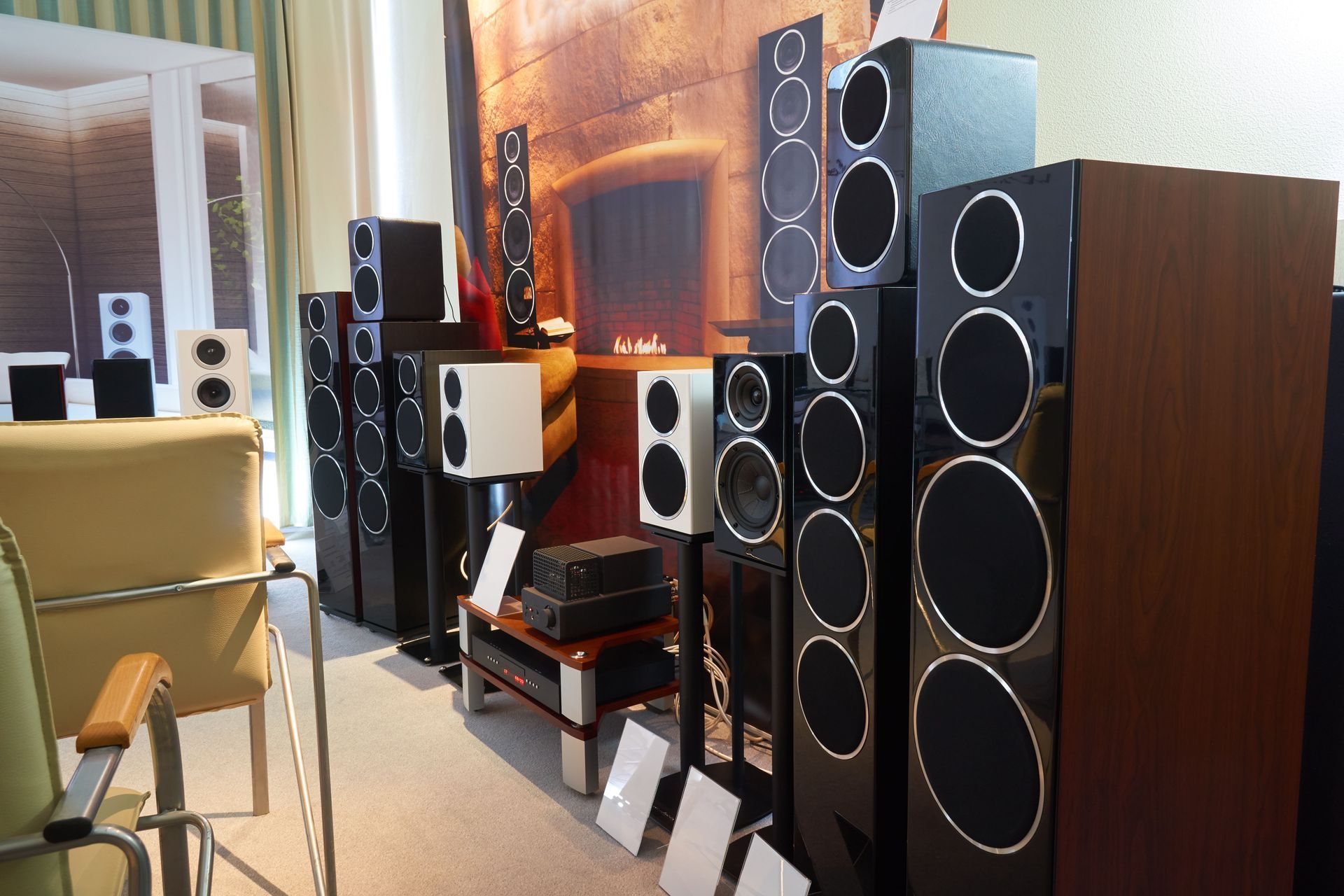
Speakers play a critical role in shaping sound quality. They convert electrical signals into sound waves, and their design directly affects accuracy and performance. High-end speakers use carefully selected materials for cones, surrounds, and enclosures to minimize unwanted vibrations. Proper cabinet design also reduces resonance, allowing the speaker to deliver clean, precise audio across all frequencies.
Driver Design and Materials
Inside every speaker are drivers responsible for producing specific frequency ranges. Woofers handle low frequencies, midrange drivers reproduce vocals and instruments, and tweeters manage high frequencies. Advanced driver materials such as aluminum or composite blends improve stiffness and responsiveness. This results in faster, more accurate movement, which translates into clearer and more detailed sound.
The Importance of Amplification
An amplifier provides the power needed to drive speakers effectively. High-performance amplifiers deliver clean, consistent power without introducing noise or distortion. They also maintain control over the speakers, ensuring accurate movement of the drivers. Insufficient or poorly matched amplification can limit a system’s potential, even if the speakers themselves are high quality.
Signal Processing and Sound Accuracy
Modern audio systems rely heavily on digital signal processing (DSP) to optimize performance. DSP allows engineers to fine-tune frequency response, correct phase issues, and compensate for acoustic challenges within a listening space. When implemented correctly, signal processing enhances realism without altering the character of the original recording. It ensures that sound remains balanced and immersive across different environments.
Source Quality: Where Sound Begins
No audio system can outperform the quality of its source material. High-resolution audio files, well-mastered recordings, and clean signal sources all contribute to better sound. Compressed or poorly recorded audio lacks detail and dynamic range, which even the best systems cannot fully restore. High-performance setups are designed to reveal every nuance, making source quality especially important.
Cables and Connections: Do They Matter?
While often debated, cables and connections do play a role in maintaining signal integrity. High-quality cables reduce interference and signal loss, ensuring that audio data reaches components without degradation. Proper connections also prevent noise and distortion. While they may not transform sound on their own, reliable cabling supports the overall performance of a high-end system.
Room Acoustics and Listening Environment
Even the best audio system can be compromised by poor acoustics. Room size, shape, and surface materials all influence how sound behaves. Reflections, echoes, and standing waves can distort audio if not addressed. Acoustic treatments, speaker placement, and calibration help optimize sound within a space, allowing the system to perform as intended.
Stereo Imaging and Soundstage
Stereo imaging refers to the ability to accurately place sounds within a left-to-right space. A well-designed system creates a realistic soundstage, where instruments and vocals appear to occupy specific positions. This spatial accuracy adds depth and immersion, making listeners feel as though they are part of the performance rather than simply hearing it.
The Impact of Surround Sound Technology
Surround sound systems expand beyond traditional stereo to create a fully immersive experience. By distributing audio across multiple channels, these systems replicate how sound behaves in real environments. Advanced formats add height and depth, allowing sound to move around the listener. This technology is especially impactful for movies, gaming, and live concert recordings.
Noise Reduction and Signal Purity
High-performance audio systems are designed to minimize noise at every stage. Electrical interference, grounding issues, and component vibration can all introduce unwanted artifacts. Precision engineering and quality construction help maintain a clean signal path. The result is a quieter background that allows subtle details to shine through.
Consistency Across Listening Levels
Great sound remains consistent whether played softly or at higher volumes. Cheaper systems often lose balance at lower levels or distort when pushed harder. High-performance systems maintain tonal accuracy and clarity across a wide range of listening levels, providing flexibility without sacrificing quality.
Longevity and Build Quality
High-performance audio systems are built to last. Quality components, durable materials, and thoughtful design contribute to long-term reliability. This not only protects your investment but also ensures consistent performance over time. Well-built systems age gracefully, maintaining their sound quality for years.
Customization and System Tuning
One of the defining features of high-performance audio is the ability to tailor sound to personal preferences. Through calibration and tuning, systems can be adjusted for room acoustics, listening habits, and content types. Customization allows listeners to achieve their ideal balance while preserving audio accuracy.
Great sound is the result of many technologies working together in harmony. From speaker design and amplification to signal processing and acoustics, every element plays a role in delivering an authentic listening experience. High-performance audio systems are not about excess or gimmicks—they are about accuracy, balance, and emotional impact. Understanding the technology behind them reveals why great sound is not just heard, but felt. Located in Fort Worth, TX, our team at Marsh Cable & Connectors offers high-quality audio systems. Contact us today to get started!