December 29, 2025
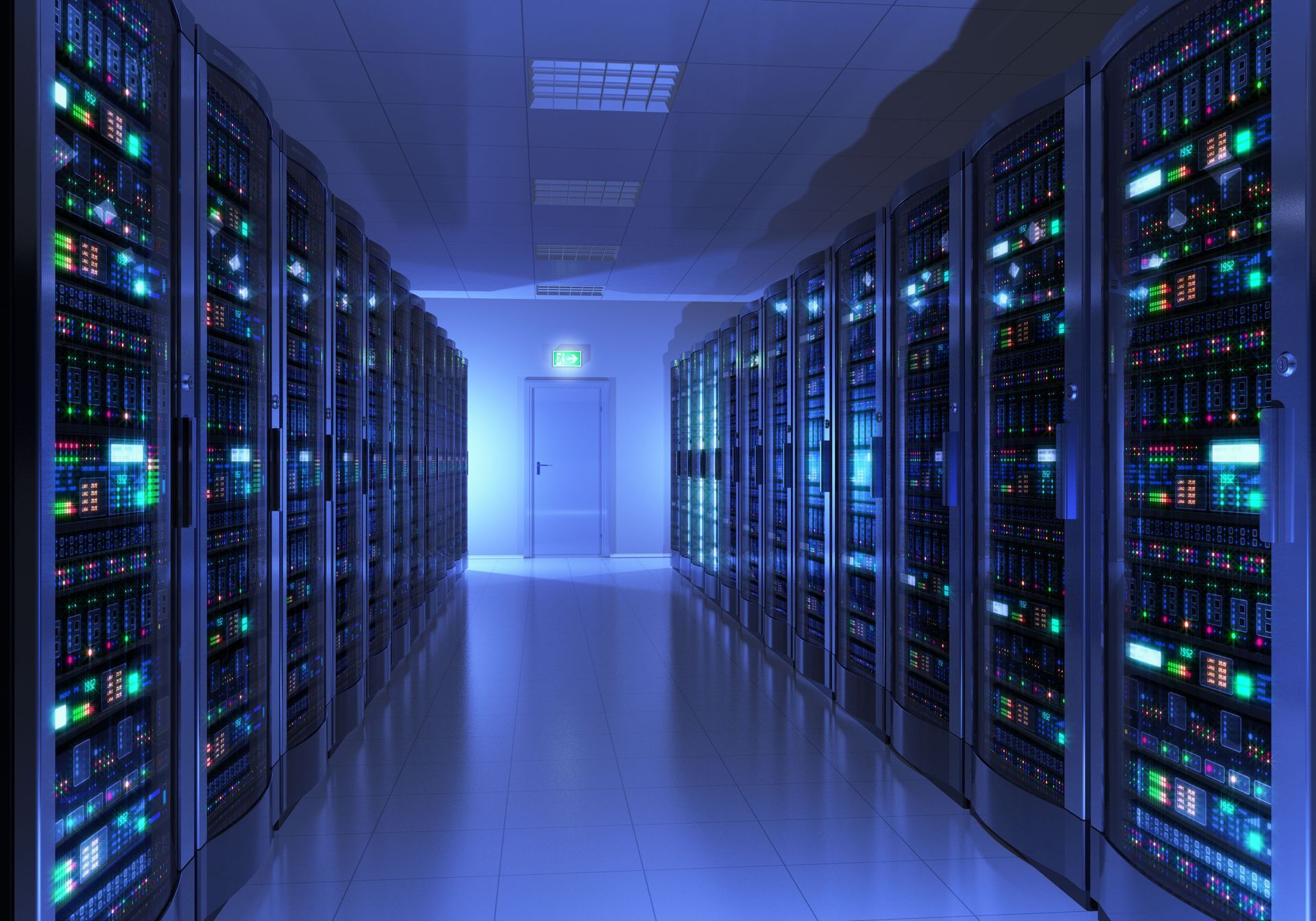
Modern IT environments are evolving quickly, driven by higher data volumes, denser equipment, and the need for reliable uptime. As organizations expand their infrastructure, the physical framework that supports servers, networking hardware, and power systems becomes just as important as the technology itself. Choosing the right custom racks and enclosures can influence efficiency, scalability, and long-term operational stability in ways that are often underestimated. A well-designed rack infrastructure not only optimizes space and airflow but also reduces the total cost of ownership over time.
Rather than treating racks as a basic commodity, decision makers are increasingly viewing them as a strategic investment. The right solution supports growth, simplifies maintenance, and helps protect valuable equipment from environmental and operational risks. Knowing the most important features to look for allows teams to make informed choices that align with both current needs and future plans. This shift in perspective underscores how infrastructure design directly impacts performance, sustainability, and business resilience.
1. Ensure Structural Strength
A primary feature to look for in custom racks and enclosures is structural strength, which determines how well the rack can support equipment over time. Servers, switches, and power distribution units can be extremely heavy, especially in high-density deployments. Even small shifts in weight distribution can affect long-term stability, so the design must account for dynamic loads as well as static weight.
Material selection plays a major role in this strength. High-grade steel or reinforced aluminum frames provide durability while resisting warping or flexing under load. Weld quality, fastener design, and reinforcement points also matter, as these details affect how the rack performs under continuous use and during equipment changes. Investing in premium materials can significantly extend the rack’s usable lifespan.
Load ratings should be clearly specified and matched to real-world requirements. Underestimating weight capacity can lead to safety hazards and equipment damage, while adding unnecessary complexity can drive up costs. Evaluating realistic load needs helps strike the right balance. Understanding the total load, including power supplies, cabling, and accessories, ensures racks are never stressed beyond safe limits.
Structural strength also supports long-term reliability. Racks that maintain their shape and alignment make it easier to install, remove, and service equipment. This stability reduces wear on mounting hardware and minimizes the risk of misalignment that can complicate cable management or airflow planning. A strong foundation also provides peace of mind for IT teams during high-intensity operations.
2. Assess Thermal Management
Effective thermal management is another critical feature that directly impacts performance and equipment lifespan. As computing density increases, so does heat output, making airflow design a central consideration. Custom racks and enclosures that support proper cooling can help prevent hotspots and reduce strain on cooling systems. According to CNBC, global investments in the data center market exceed $61 billion in 2025 alone, underscoring how essential efficient infrastructure design has become. Integrating thermal sensors or monitoring solutions can further enhance temperature control and operational safety.
Ventilation options such as perforated doors, adjustable airflow panels, and compatibility with hot aisle or cold aisle layouts allow organizations to tailor cooling strategies to their environments. These features help direct air where it is needed most while minimizing recirculation of warm air. Strategically placed fans or ducting can complement natural airflow, ensuring consistent cooling for critical components.
The internal layout also affects thermal performance. Proper spacing between mounting rails, support for blanking panels, and thoughtful cable routing all contribute to smoother airflow paths. When heat can move predictably through the rack, cooling systems operate more efficiently. This attention to layout design can prevent thermal bottlenecks that would otherwise reduce equipment lifespan.
Over time, improved thermal management translates into tangible benefits. Equipment runs more consistently, energy costs are easier to control, and the risk of heat-related failures is reduced. This makes airflow design a priority rather than an afterthought. Investing in thermal management from the start can save organizations from costly emergency interventions later.
3. Consider Configuration Flexibility
Adaptability is essential in environments where technology requirements change frequently. Custom racks and enclosures should be designed to adapt to new equipment types, evolving layouts, and future expansion without requiring a full replacement. Flexible rack designs also allow IT teams to implement innovative configurations that optimize space and workflow efficiency.
Adjustable mounting rails are one example of flexibility in action. They allow different device depths to be accommodated easily, which is especially useful when mixing equipment from multiple vendors. Adjustments that don't require complex tools can further simplify reconfiguration and reduce downtime during upgrades. This capability is especially valuable in fast-growing or multi-vendor environments where rapid adaptation is often necessary.
Modular components also enhance flexibility. Side panels, doors, and accessories that can be added or removed as needed make it easier to tailor the rack to specific applications. This modularity allows organizations to respond quickly to changing requirements. Incorporating modularity in the initial design ensures minimal disruption during future upgrades or expansions.
Flexible configuration supports operational agility. When infrastructure can evolve alongside technology, teams spend less time working around limitations and more time focusing on performance and innovation. A flexible rack system provides a future-proof foundation that aligns with long-term IT strategy.
4. Review Security and Compliance
Security is a defining feature of any rack solution, particularly in environments that handle sensitive data or critical operations. Custom racks and enclosures often incorporate physical security features that help control access and protect equipment from tampering or theft. Beyond physical measures, the placement of racks can enhance security by limiting visibility and access in sensitive areas.
Locking doors and side panels are the most visible security elements, but they are only part of the picture. Options such as electronic locks, access logging, and compatibility with monitoring systems add layers of protection that align with modern security practices. Security features should also integrate seamlessly with facility-wide systems to ensure a unified approach to asset protection.
Compliance requirements also influence rack design. Many industries follow guidelines related to data protection, safety, and operational standards. Racks that support these requirements through proper grounding, fire resistance, and access control make compliance easier to maintain. Aligning rack design with compliance needs reduces the risk of fines, downtime, or operational disruptions.
By addressing security at the physical level, organizations reduce risk and support broader governance goals. A secure rack environment complements digital safeguards and contributes to a more comprehensive protection strategy. Ensuring both equipment and data are protected is essential for maintaining regulatory adherence.
Selecting the right infrastructure involves more than matching dimensions or choosing a familiar brand. Custom racks and enclosures play a foundational role in supporting performance, efficiency, and reliability across IT environments. Structural strength, thermal management, configuration flexibility, and security all work together to create a system that can support both present operations and future growth.
When these features are evaluated carefully, organizations are better positioned to avoid costly retrofits and operational disruptions. Thoughtful rack selection aligns physical infrastructure with strategic goals, ensuring that technology investments are supported by a reliable and adaptable foundation. Over time, this attention to detail helps create environments that are easier to manage, more resilient, and ready to scale as demands continue to evolve.
Ready to optimize your infrastructure? Contact Marsh Cable & Connectors, Inc today to learn how our precision-engineered custom racks and enclosures can enhance performance, reliability, and growth for your IT environment.