December 9, 2025
In today’s digital landscape, managing data securely and efficiently is more important than ever. Businesses, educational institutions, and government agencies rely on network infrastructure that is organized, accessible, and protected. One critical component of this infrastructure is the data cabinet, which helps keep networking equipment, servers, and cabling organized while ensuring proper ventilation and security. Choosing the right cabinet can improve operational efficiency, streamline maintenance, and safeguard sensitive information. In this blog, we’ll explore the factors to consider when selecting a proper cabinet and how it can support your overall network management strategy.
Understanding the Cabinet's Purpose
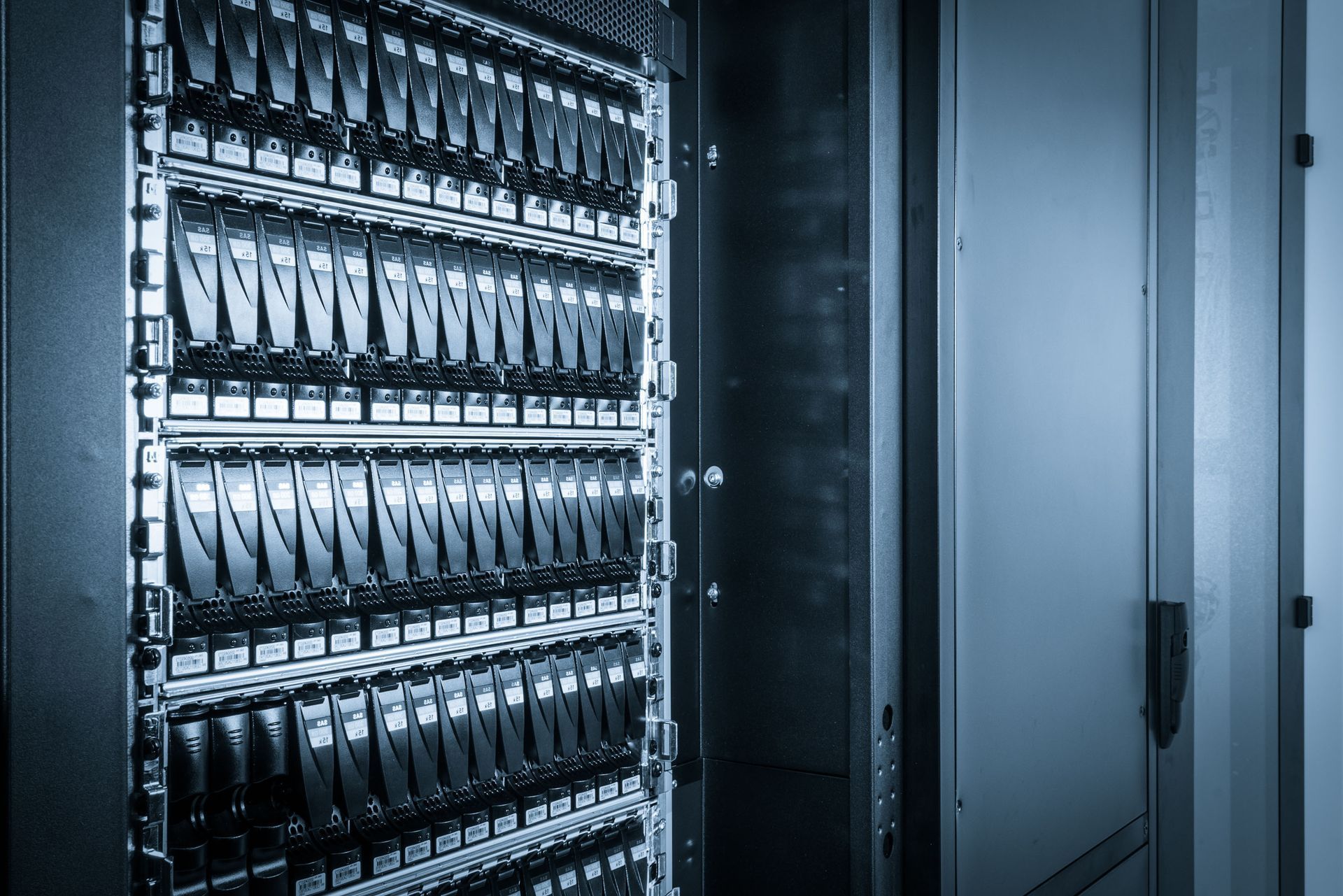
A data cabinet is designed to house networking and computing equipment in a secure and organized manner. It provides a central location for servers, switches, routers, and other essential hardware. Beyond simple storage, network cabinets offer benefits like proper airflow, cable management, and physical security for sensitive equipment. Services such as security equipment and design services or audio and video systems often integrate into these cabinets to ensure comprehensive management. Knowing the purpose of a network cabinet helps you select the correct size, layout, and features to meet your specific operational needs.
Selecting a cabinet begins with assessing your space and capacity needs. Consider the number of servers, networking devices, and additional components like audio and video systems or access control panels that need to be housed. Equipment racks and enclosures within the cabinet provide organization and flexibility for future expansion. Tools and hardware solutions are often necessary for proper assembly and installation. Accurately evaluating size ensures you avoid overcrowding, which can lead to airflow problems and difficulty accessing equipment for maintenance.
Security is a key consideration when choosing a data cabinet. Cabinets can include locks, reinforced doors, and secure side panels to prevent unauthorized access. Integrating security services such as access control panels ensures that only authorized personnel can manage the equipment. Some cabinets are also compatible with video monitoring systems and intrusion detection sensors. These measures help protect sensitive data from tampering or theft while maintaining compliance with industry regulations.
Assessing Cooling and Ventilation
Proper cooling and ventilation are critical to prevent overheating of servers and networking equipment. Network cabinets often feature perforated doors, fan mounts, and cable management paths to facilitate airflow. Services such as copper wiring solutions and fiber optic cable installations can impact airflow if not properly routed. Evaluating ventilation needs ensures that equipment maintains optimal performance and longevity. Some cabinets offer modular cooling solutions that can be customized to fit specific hardware layouts.
A well-organized cabinet requires efficient cable management. Cabling systems, including copper wiring solutions and fiber optic cable, need to be routed carefully to prevent tangling and signal interference. Racks and enclosures with integrated cable trays and management panels help keep cables organized and accessible. Good cable management improves airflow, reduces maintenance time, and simplifies troubleshooting. Choosing a cabinet with strong cable management features ensures a neat and efficient network setup.
Accessibility is crucial when installing or maintaining equipment inside a data cabinet. Features such as removable side panels, sliding shelves, and swing-out racks make it easier to reach devices. Tools and hardware solutions can facilitate routine maintenance or equipment upgrades. Adequate access points allow technicians to perform tasks without disrupting the network. Ensuring easy access helps reduce downtime and keeps network management efficient and organized.
Selecting Materials and Durability
The construction of an IT cabinet determines its durability and longevity. Cabinets are typically made from steel or aluminum to provide a strong, protective enclosure. This protects networking equipment from physical damage and environmental factors. Some models are coated to resist corrosion or wear, ensuring that the cabinet remains secure over time. Considering material quality is especially important for installations in high-traffic areas or environments with fluctuating temperatures and humidity.
Many modern IT cabinets support integration with audio and video systems for conference rooms, media centers, and security monitoring. This allows organizations to centralize all audiovisual components alongside networking equipment. Proper integration requires careful planning of rack space, cable management, and ventilation. Services that provide audio and video system design can assist in creating a setup that maximizes efficiency and accessibility. By incorporating these systems into your network cabinet, you can reduce clutter and simplify operations across multiple technologies.
Access control panels are a key addition to secure network management within a data cabinet. These panels regulate entry to physical spaces, ensuring only authorized personnel can access sensitive equipment. Combining access control with security equipment and design services enhances overall protection for your network infrastructure. Many cabinets offer modular spaces specifically designed to house these panels alongside other components. Proper planning ensures that security systems are seamlessly integrated into the cabinet without compromising space or airflow.
Evaluating Tools and Hardware
Choosing the right tools and hardware solutions is important for the proper installation and maintenance of an IT cabinet. These include mounting brackets, screws, shelves, and cable management accessories. Having the correct tools ensures that equipment is securely installed and that the cabinet maintains stability over time. Hardware solutions also support expansion and upgrades, allowing your cabinet to grow with your network needs. Efficient use of tools and hardware contributes to a professional and organized setup.
Racks and enclosures are the backbone of a well-organized network cabinet. They provide structured spaces for servers, switches, and other networking devices. Equipment racks and enclosures help prevent overcrowding, improve airflow, and simplify cable management. Proper planning for rack placement ensures accessibility for maintenance and scalability for future growth. A well-thought-out rack layout supports efficient network management and reduces the risk of operational issues.
Cabling is essential for connecting networking equipment housed in a data cabinet. Both copper wiring solutions and fiber optic cable provide reliable connectivity for local networks and edge computing. Proper planning and routing of cables reduces interference, maintains performance, and simplifies troubleshooting. Many cabinets include built-in cable channels or management panels to facilitate organized installations. Choosing the right types of cables and fibers ensures long-term reliability and efficiency for network operations.
Supporting Security and Design
In addition to physical features, a network cabinet can support advanced security equipment and design services. These include surveillance systems, intrusion detection devices, and alarm integration. Incorporating these services within the cabinet provides a centralized security approach, protecting both hardware and data. Careful planning ensures that all components work together seamlessly without overcrowding or blocking airflow. A cabinet that supports comprehensive security measures enhances both safety and operational efficiency.
As data creation increases rapidly, more processing is happening locally at the edge rather than in centralized data centers. According to the Telecommunications Industry Association, by 2025, worldwide data creation is projected to hit 181 trillion gigabytes, with much of it being processed locally. This makes edge computing infrastructure critical, and data cabinet s play a vital role in organizing and securing this equipment. Cabinets designed to support edge computing can accommodate small servers, networking gear, and cooling solutions in limited spaces. This ensures that data processing at the edge remains efficient, secure, and reliable.
Choosing the right cabinet is essential for secure, efficient, and organized network management. From selecting proper size and materials to integrating audio and video systems, access control panels, and cable management solutions, every decision impacts performance and reliability. For professional installation, services like security, racks and enclosures, tools and hardware, and cabling solutions can enhance the overall setup. Trusting experts ensures that your network infrastructure is optimized for both current needs and future growth. Marsh Cable & Connectors, Inc can provide comprehensive solutions for all your network cabinet requirements. For more information, contact us today!