March 4, 2026
Facility security is no longer a background concern — it is a front-line business priority. From corporate offices and manufacturing plants to healthcare centers and distribution hubs, organizations must protect employees, assets, and sensitive information while maintaining smooth daily operations. A breach doesn’t just disrupt workflow; it can damage reputations, erode customer trust, and lead to significant financial loss.
The need for strong physical security has become increasingly urgent. According to Scoop.Market.US, over the past five years, 60% of companies have encountered breaches in their physical security measures. That statistic highlights a clear reality: outdated locks and fragmented systems are no longer sufficient.
Modern access control solutions offer a streamlined, intelligent way to manage entry points, monitor activity, and strengthen overall facility protection. However, choosing the right system can feel overwhelming. By understanding key components, evaluating facility needs, and planning for future growth, organizations can simplify the process and implement a solution that truly safeguards their operations.
Understanding System Fundamentals to Build a Strong Foundation
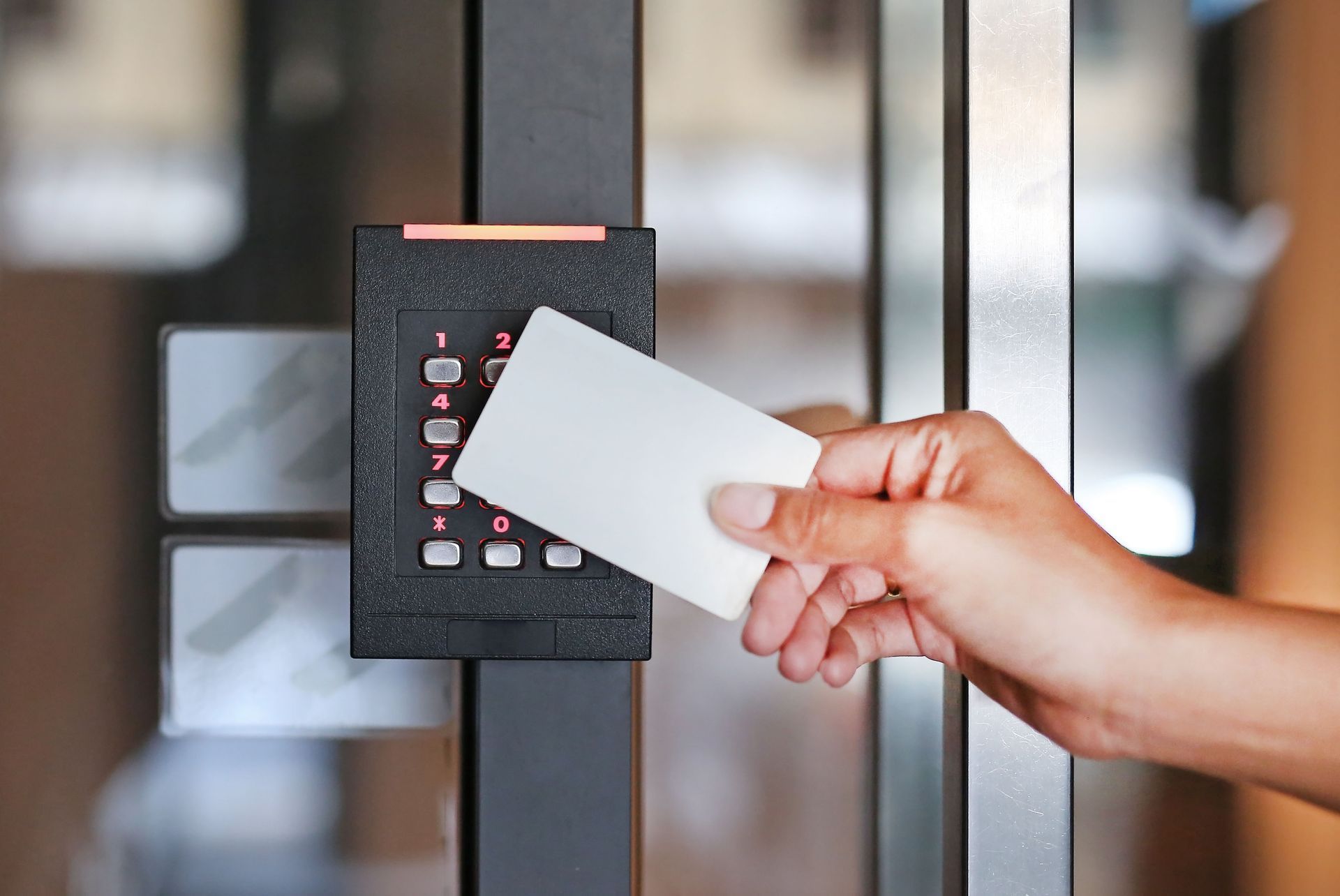
At its core, access control is a method of restricting entry to a facility or specific areas within it. Instead of relying solely on traditional keys, businesses use credential-based systems such as keycards, fobs, PIN codes, or biometric readers to ensure only authorized individuals gain entry. A standard system includes credential readers, electronic door locks, control panels, and management software connected to a centralized database. When a user presents credentials, the system verifies permissions and either grants or denies entry. Each interaction is recorded, creating a digital audit trail for accountability and compliance.
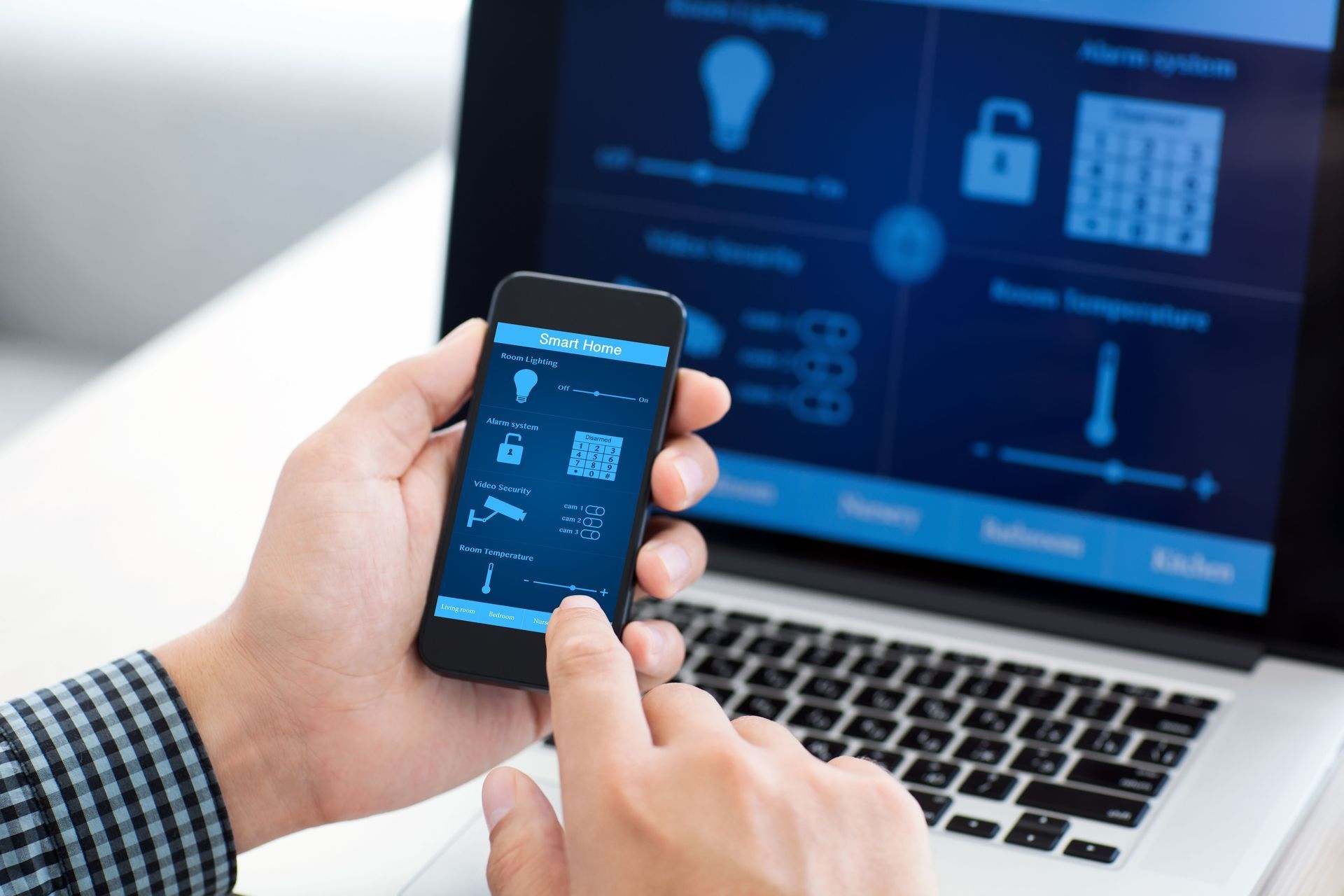
The software component is especially important. It allows administrators to define roles, adjust permissions, and review entry logs in real time. For example, employees may access general office areas during business hours, while IT staff may have expanded permissions for server rooms. Customization ensures the system aligns with the operational structure. As threats evolve, so must security measures. Modern platforms incorporate encryption, remote management capabilities, and integration with surveillance and alarm systems. Investing in a comprehensive solution ensures that your facility stays protected against increasingly sophisticated risks.
Evaluating Facility Needs to Identify Security Priorities
No two facilities are alike, which is why a one-size-fits-all approach rarely works. Choosing the right access control system begins with a thorough security assessment. Start by identifying critical areas within your facility. Data centers, research labs, financial record storage, executive offices, and inventory warehouses often require higher levels of protection. Entry points such as main doors, loading docks, and emergency exits should also be carefully evaluated.
Next, assess user groups. Employees, contractors, vendors, and visitors each require different levels of access. This improves efficiency and reduces the risk of human error. You should also consider building the layout and infrastructure. Large facilities with multiple access points may need networked systems capable of centralized management. Older buildings may require retrofitting to support electronic hardware.
Environmental factors — such as exposure to extreme temperatures, humidity, or dust — should influence equipment selection to ensure durability and reliability. A well-executed security audit not only highlights vulnerabilities but also prevents overspending on unnecessary features. By aligning system capabilities with actual risks, businesses can implement a targeted, cost-effective solution.
Comparing Hardware Components to Match Operational Demands
Selecting the right access control system requires more than choosing software — it involves understanding the physical components that secure your facility’s entry points. The effectiveness of your security strategy depends heavily on how these hardware elements work together to protect people and assets. Keypads offer a straightforward and cost-effective solution for many facilities. Users enter a unique PIN code to gain access, eliminating the need for physical keys. While convenient, keypad systems require consistent code updates to maintain security, especially in environments with staff turnover.
Card readers remain one of the most widely used solutions in commercial buildings. Employees use proximity cards or key fobs to unlock doors quickly and efficiently. Card-based systems are scalable, easy to manage, and ideal for organizations with moderate to high employee counts. Lost credentials can be deactivated instantly, reducing risk without requiring lock replacements. Biometric scanners provide a higher level of authentication by verifying unique physical traits such as fingerprints or facial features. Because biometric identifiers cannot be easily shared or duplicated, they are particularly effective in high-security areas like data centers, laboratories, or executive suites. These systems enhance accountability while minimizing credential misuse.
Secure enclosures in panels protect system wiring and control boards from tampering or environmental damage. These enclosures are critical for maintaining the integrity of the overall system. Without proper protection, even the most advanced technology can be compromised. Credential readers — including proximity, smart card, and mobile-enabled readers — serve as the interface between users and the security system. Modern readers support encrypted communication, enhancing data protection and preventing credential cloning.
By carefully selecting and combining these components, organizations can build a customized access control solution that aligns with their facility layout, risk level, and operational needs. The goal is not simply to restrict entry but to create layered security that supports both safety and efficiency.
Integrating Technologies to Strengthen Overall Protection
A modern access control solution should not operate in isolation. Integration with existing security and operational systems significantly enhances effectiveness. When connected to surveillance cameras, entry events can automatically trigger video recordings. This provides valuable context during incident investigations. Integration with alarm systems enables immediate alerts if unauthorized access attempts occur.
Human resources software integration offers another advantage. When an employee is hired, promoted, or terminated, permissions can be updated automatically. This reduces administrative burden and eliminates delays that could create vulnerabilities.
Building management systems also benefit from integration. For instance, HVAC and lighting systems can adjust based on occupancy data, improving energy efficiency while supporting sustainability goals. Interoperability ensures that systems communicate seamlessly, creating a unified security ecosystem. Instead of managing multiple disconnected platforms, administrators gain centralized visibility and control.
Planning for Scalability to Support Future Growth
Businesses evolve. Staff numbers fluctuate, facilities expand, and operational needs change. Choosing an adaptable access control solution ensures long-term viability. Scalable systems allow organizations to add new doors, credentials, and locations without replacing core infrastructure. Cloud-based platforms, in particular, provide flexibility and remote management capabilities, making them ideal for multi-site operations.
Future-proofing also involves compatibility with emerging technologies. Artificial Intelligence (AI) analytics can identify unusual access patterns and flag potential threats proactively. Advanced reporting tools provide insights that strengthen policy decisions and compliance efforts.
Flexibility extends to user management as well. Temporary credentials for contractors and event attendees should be easily issued and revoked. Visitor management modules can streamline check-ins while maintaining security standards. By planning, organizations avoid costly system overhauls and ensure their security strategy evolves alongside their business.
Balancing Budget with Long-Term Return on Investment
Cost considerations inevitably influence security decisions. However, focusing solely on upfront expenses can be shortsighted. An effective access control system should be viewed as a strategic investment rather than a simple purchase.
Installation, hardware, software licensing, and maintenance all contribute to the total cost. Yet, the long-term benefits often outweigh these initial expenditures. Reduced theft, improved compliance, minimized liability, and streamlined operations generate measurable returns. Digital credentials eliminate the recurring expense of rekeying locks. Automated reporting reduces administrative time. Integrated systems prevent costly security gaps. Over time, these efficiencies contribute to significant savings.
Organizations should conduct a cost-benefit analysis that accounts for potential losses from breaches, downtime, and regulatory penalties. When security failures occur, the financial and reputational consequences can far exceed the cost of prevention. Strategic budgeting ensures the selected system aligns with both financial resources and operational goals.
Facility security does not need to be complicated. By understanding system fundamentals, evaluating risks, comparing available technologies, integrating platforms, planning for growth, and budgeting wisely, organizations can confidently implement a solution that protects what matters most.
With physical security breaches affecting a significant percentage of businesses, proactive investment is essential — not optional. A well-designed access control strategy strengthens safety, supports compliance, and enhances operational efficiency. If you’re ready to upgrade your facility’s protection, contact the experts at Marsh Cable & Connectors, Inc. Their team specializes in delivering reliable, scalable access control solutions tailored to your unique environment. Contact Marsh Cable & Connectors, Inc today to simplify your security and safeguard your future.