May 4, 2026
This article explores the critical considerations that should be evaluated when planning to install an access control system. Proper planning and understanding of these factors will help ensure the system's efficiency, security, and ease of use. Access control systems play a vital role in safeguarding facilities, whether it's a business, a residential building, or a government entity. As the demand for security continues to rise, understanding these factors becomes even more essential. Making informed decisions during planning stages can significantly impact both current operations and future security strategies.
1. Understanding Security Needs
Before implementing an access control system, understanding the specific vulnerabilities of a facility is crucial. Whether it's potential unauthorized entrances or high-traffic areas, identifying gaps in security coverage is the first step. A thorough risk assessment should be conducted to prioritize areas of concern. This involves examining previous incidents and recognizing trends that may suggest weak points. With an extensive understanding of vulnerabilities, a facility can design an access control system that addresses its unique security challenges efficiently.
Incorporating technological advancements can further bolster security by addressing vulnerabilities in innovative ways. Modern systems can integrate with CCTV and motion sensors, providing an extra layer of security. Technological solutions like facial recognition or biometric scanning can decrease dependency on less secure options like badges or codes. Assessing the facility's vulnerabilities continuously, even after installing an access control system, ensures long-term security. Continuous evaluation and adaptation are paramount as threats evolve and new vulnerabilities surface.
Determining access levels is integral to ensuring the effectiveness of an access control system. Not everyone in a facility requires the same level of access, and identifying these levels helps in preventing unauthorized entry. By categorizing users based on their roles and responsibilities, facilities can better control and monitor access. Implementing this not only enhances security but also simplifies managing personnel access by reducing potential points of unauthorized entry. Clearly defined access tiers ensure that individuals can only access areas necessary for their duties, reducing risk.
The delineation of access levels requires comprehensive evaluation of staff roles and responsibilities. Facilities should collaborate with department heads to assess needs accurately. Additionally, changes to staff roles warrant re-evaluation of access control permissions. Regular audits can help maintain proper access levels over time. A system with flexible management capabilities enables quick adaptation to staff changes and permissions, particularly in large organizations.
Security needs within a facility are dynamic and evolve with shifts in operational priorities or organizational structure. Therefore, the ability to modify access levels swiftly and seamlessly is essential. This adaptability ensures that the system remains relevant to current operational needs without compromising security. Access logs can provide valuable insights into the usage patterns, potentially identifying anomalous behaviors. By understanding and implementing a structured access level system, facilities enhance accountability and improve overall safety management.
Understanding traffic flow within a facility is vital to implementing an efficient access control system. High-traffic areas require systems that can manage large volumes of access requests. Analyzing these patterns helps optimize system placement and functionality. Places like lobby entrances or parking garages may need swift access to prevent congestion during peak times. Additionally, real-time monitoring of traffic flow can preemptively address potential security threats.
Addressing scalability in an access control system involves planning for evolving security needs as a facility grows. Failing to consider scalability can result in obsolescence, increased costs, and a need for frequent technology overhauls. The design of the system should support future expansion in terms of both infrastructure and technology. As organizations grow, the complexity of their security requirements often increases, necessitating systems that can agilely adjust to these new challenges. Planning for scalability ensures that initial investments remain relevant and functional over the longer term.
Moreover, market trends project a substantial expansion in demand for access control solutions, emphasizing the importance of investing in scalable systems. According to Safe Home, the home security market is forecast to grow by 8.9% annually over the next five years. This reflects broader security needs pushing facilities to adapt quickly to larger, more sophisticated systems. Scalable solutions offer a competitive edge, as they remain relevant and effective, accommodating increasing sophisticated threats and organizational demands. Finally, allocation for future budget planning should also consider expenses related to scaling up to support this ongoing growth effectively.
2. Evaluating System Technology Options
The decision between hardware-based and cloud-based solutions is increasingly significant in modern access control. Hardware solutions are generally consistent in performance, often preferred for their reliability and physical control over data storage. However, they may require frequent updates and significant upfront investment, posing challenges in dynamic operational environments. Conversely, cloud-based solutions offer flexibility, ease of access, and scalability, often with lower initial costs since they leverage the provider's infrastructure. This approach supports remote management, allowing administrators to oversee access controls from virtually anywhere.
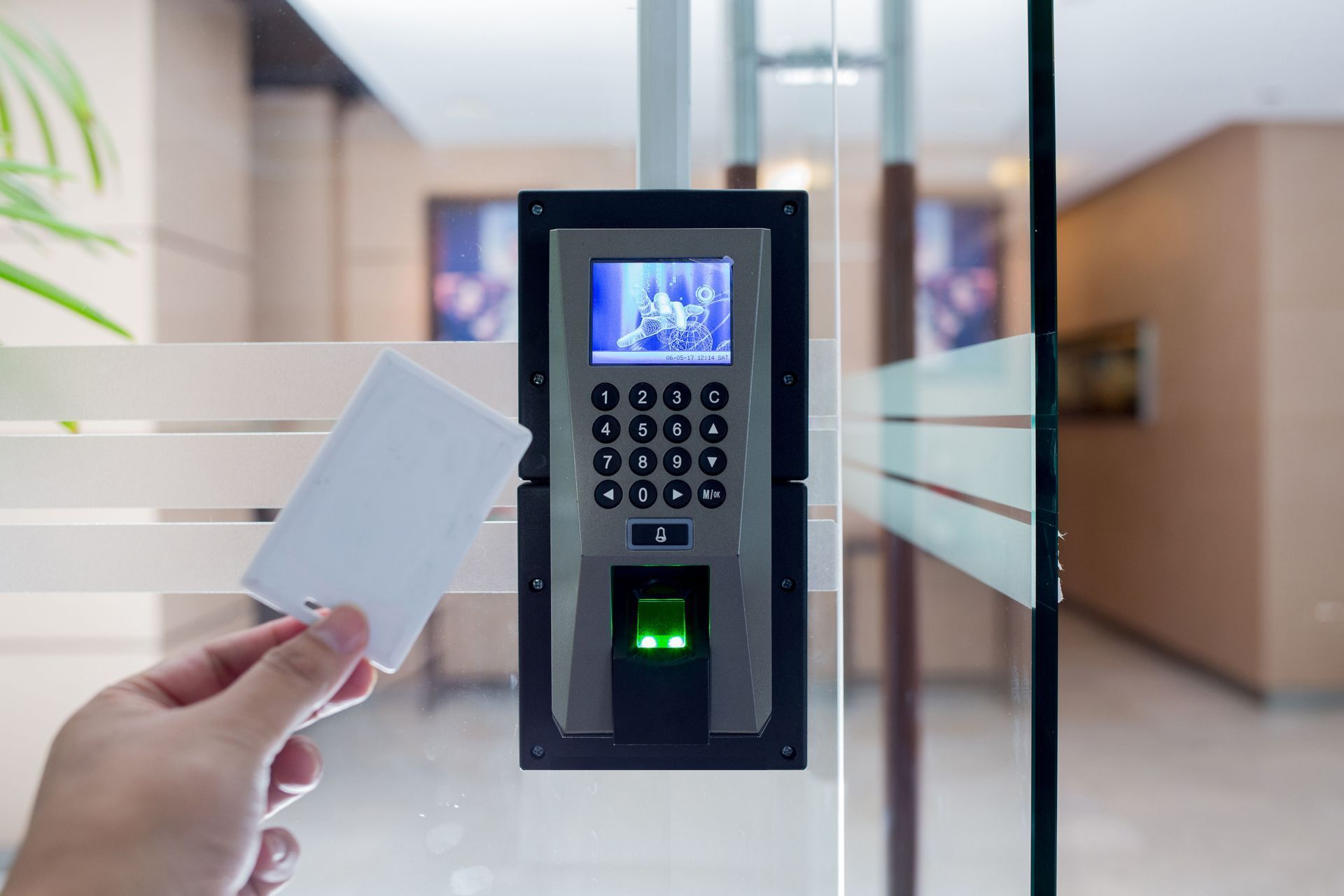
When choosing between biometric and card-based identification for access control, several considerations come into play. Biometric systems offer heightened security by using unique physiological characteristics like fingerprints, facial recognition, or iris scans. This method reduces the risk of unauthorized access since biometric data is difficult to replicate. However, the initial investment and complexity of implementing biometric systems can be a deterrent for some organizations. On the other hand, card-based systems are familiar and relatively simple to manage but risk security breaches if cards are lost or stolen.
The decision between these two technologies often hinges on the organization's specific security needs and user convenience. For instance, highly sensitive or restricted areas may benefit from biometric access due to its robust authentication nature. In contrast, environments with high user turnover or shared spaces may find card-based systems more practical and cost-effective. It is also vital to consider user privacy with biometrics, as consent and data protection are essential legal and ethical concerns. Understanding the context in which each system will operate ensures both effective security and user acceptance.
Choosing between wireless and wired access control systems involves evaluating the infrastructural and operational needs of a facility. Wired systems are traditionally valued for their reliability and consistent performance, often resilient to interruption or signal interference. This reliability is beneficial in high-security environments where continuous connection is crucial. However, installation can be invasive, often requiring significant upfront installation costs and longer setup periods. Conversely, wireless systems boast ease of installation, flexibility, and the ability to cover large areas without extensive wiring costs.
Facilities considering wireless systems should acknowledge potential challenges such as signal range, interference, and cybersecurity risks. Proper planning regarding signal strength and networked devices is necessary to ensure consistent coverage and performance. They also must deploy robust security measures like encryption and secure network protocols to counteract potential vulnerabilities. In rapidly changing or expanding environments, wireless systems offer the flexibility to adapt with minimal infrastructural disruption. When wireless reliability matches operational demands, it emerges as a cost-effective and adaptive solution for many security needs.
3. Installation and Maintenance Considerations
Understanding the maintenance requirements and associated costs of access control systems is pivotal in ensuring their longevity and reliability. Regular maintenance is necessary for preventing system malfunctions, data breaches, or security lapses that could compromise the safety of a facility. These maintenance routines typically include software updates, hardware inspections, and ensuring that all integrated components function harmoniously. Both preventative and corrective maintenance play vital roles in sustaining optimal system performance over time.
If you're considering installing an access control system, reach out to Marsh Cable & Connectors, Inc today for expert access control products and installation services.