May 4, 2026
Modern security threats require layered protection strategies that go beyond traditional locks and keys. Businesses and property owners are increasingly focusing on systems that regulate who can enter specific areas and when access is granted. These tools not only improve safety but also reduce the likelihood of unauthorized entry and internal security breaches. As technology evolves, security systems have become more intelligent, responsive, and adaptable to different environments. Understanding how these systems work helps organizations make better decisions about protecting people and property. A strong security framework combines physical barriers with digital authentication methods. The following features highlight how controlled entry systems improve overall protection.
1. Strengthening Perimeter Protection
One of the most effective ways to reduce unauthorized access is by reinforcing perimeter security. Physical barriers such as gates, reinforced doors, and monitored entry points create the first line of defense. When combined with digital verification systems, these barriers become significantly more effective. Many organizations integrate access control solutions at perimeter entry points to ensure only approved individuals can enter the premises. This reduces the chance of intruders even reaching sensitive areas. Strong perimeter protection also acts as a visible deterrent to potential threats. A well-secured perimeter sets the tone for the entire security system.
2. Enhancing Door Security Systems
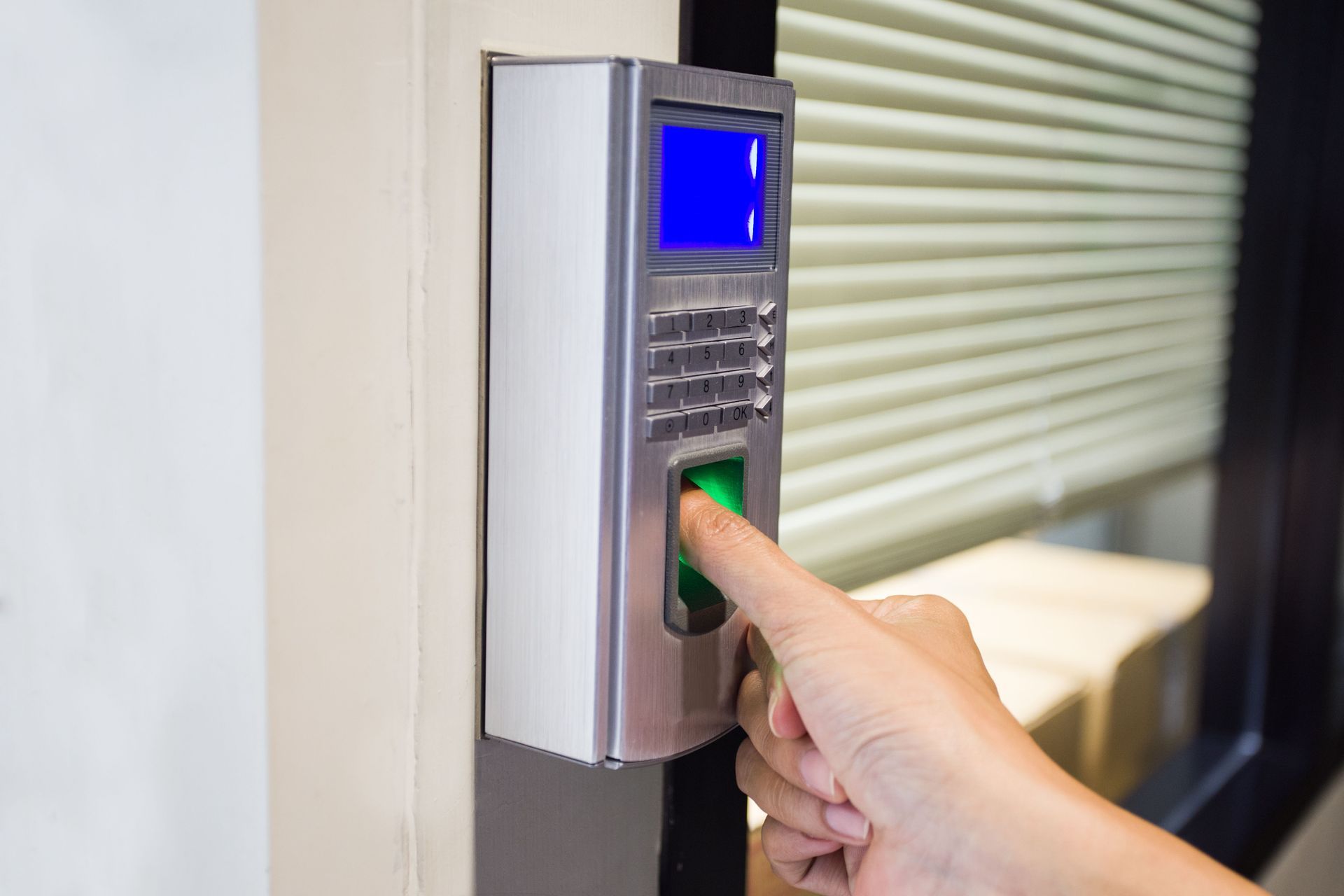
Doors are one of the most common entry points targeted in unauthorized access attempts. Upgrading door security with electronic locking mechanisms provides a higher level of protection. These systems can be programmed to allow or deny entry based on user credentials. Businesses often use access control solutions to manage who can open specific doors at different times of the day. This flexibility ensures that sensitive areas remain secure even during business hours. It also reduces the risk of lost or duplicated physical keys. Enhanced door security plays a critical role in modern facility protection strategies.
3. Integrating Smart Authentication Methods
Authentication technology has evolved significantly, offering more secure and efficient ways to verify identity. Biometric systems such as fingerprint scanners and facial recognition tools are now widely used in secure environments. These methods are difficult to replicate, making them highly effective against unauthorized entry attempts. Organizations often combine these technologies with access control solutions to create multi-layered authentication processes. This ensures that only verified individuals can enter restricted areas. Smart authentication also reduces reliance on physical credentials that can be lost or stolen. The result is a more reliable and streamlined security experience.
4. Using Surveillance and Deterrence
Visible security measures play an important role in discouraging unauthorized access. Surveillance cameras, alarm systems, and monitoring equipment act as strong deterrents to potential intruders. According to SafeHome, research shows that 83% burglars assess whether a property has an alarm system before attempting entry, and a significant portion choose not to proceed when they detect one in place. This demonstrates how visible security features can influence behavior and reduce risk. When combined with structured entry systems, surveillance creates a comprehensive protection strategy. The presence of monitoring equipment reinforces the effectiveness of access control solutions. Together, these tools create both preventive and responsive security layers.
5. Managing Employee and Visitor Access
Controlling who enters a facility is especially important in workplaces with high traffic. Employee and visitor management systems help regulate access based on roles and permissions. These systems ensure that individuals can only enter areas relevant to their responsibilities. Many organizations rely on access control solutions to assign specific entry levels to staff members and visitors. This reduces the risk of internal security breaches and improves accountability. Visitor logs also provide a record of who has been on the premises at any given time. Effective access management supports both security and operational efficiency.
6. Implementing Credential Management Systems
Credential management is essential for maintaining secure access over time. This involves issuing, updating, and revoking access rights as needed. Digital credentials such as keycards or mobile credentials can be easily modified to reflect changes in employment or authorization levels. Organizations often integrate access control solutions into credential management systems to streamline these processes. This ensures that former employees or unauthorized individuals cannot regain entry. Proper credential management also reduces administrative overhead by automating access updates. It is a critical component of maintaining long-term security integrity.
7. Leveraging Remote Monitoring Capabilities
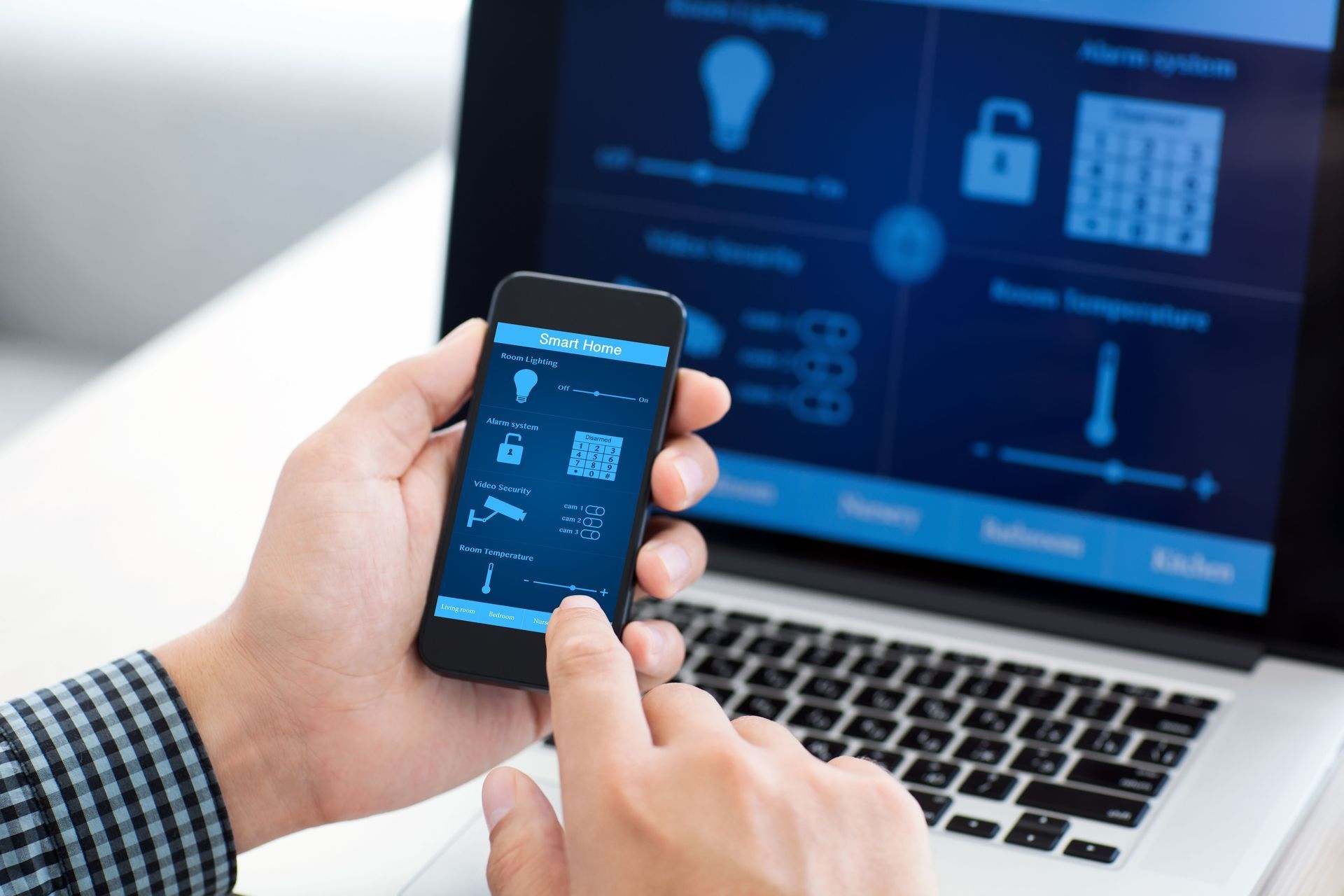
Remote monitoring allows security teams to oversee access activity from virtually any location. This capability provides real-time updates on entry attempts, system alerts, and user activity. It also enables quick responses to potential security breaches. Many modern systems incorporate access control solutions that support remote management features. This allows administrators to adjust permissions, lock doors, or investigate incidents without being physically present. Remote monitoring enhances situational awareness and improves response times. It is especially valuable for organizations with multiple locations or large facilities.
8. Reducing Risk Through Layered Security
A single security measure is rarely enough to prevent unauthorized access. Instead, layered security combines multiple systems to create a more comprehensive defense. This may include physical barriers, authentication tools, surveillance systems, and digital controls. Organizations often integrate access control solutions into this layered approach to strengthen overall protection. Each layer acts as a backup for the others, reducing the likelihood of a successful breach. Layered security also makes it more difficult for intruders to bypass all defenses. This approach provides a balanced and resilient security structure.
9. Improving Operational Safety and Compliance
Security systems do more than prevent unauthorized entry; they also support workplace safety and regulatory compliance. Many industries require strict access protocols to protect sensitive information and environments. Implementing structured entry systems helps organizations meet these requirements efficiently. Access control solutions assist in maintaining accurate records of entry and exit activity. This documentation can be important during audits or compliance reviews. Improved safety protocols also reduce workplace incidents and enhance overall operational stability. Security and compliance often go hand in hand in regulated environments.
10. Enhancing Accountability and Tracking
Accountability is a key benefit of modern security systems. By tracking who enters specific areas and when, organizations can maintain clear records of activity. This helps identify unusual behavior or unauthorized access attempts quickly. Digital logs provide valuable insights into facility usage patterns. Many organizations use access control solutions to generate detailed reports for security analysis. This data can be used to improve policies and strengthen weak points in the system. Enhanced tracking ultimately leads to better decision-making and improved security outcomes.
As organizations grow, their security needs become more complex. Scalable systems allow access controls to expand alongside business operations. New users, locations, and entry points can be added without disrupting existing systems. Access control solutions are designed to support this kind of scalability efficiently. This ensures that security remains consistent even as the organization evolves. Scalable infrastructure also reduces the need for complete system replacements. Flexibility is essential for long-term security planning.
Protecting your facility requires more than basic security measures — it demands a strategic approach built on reliable technology and expert implementation. Marsh Cable & Connectors, Inc specializes in designing and supporting advanced systems that help organizations control access and improve safety. Their solutions are built to enhance security, streamline operations, and provide long-term reliability. Whether you are upgrading an existing system or planning a new installation, their team is ready to help you build a stronger defense. Contact Marsh Cable & Connectors, Inc today to learn how their solutions can support your security goals and protect what matters most.