April 1, 2026
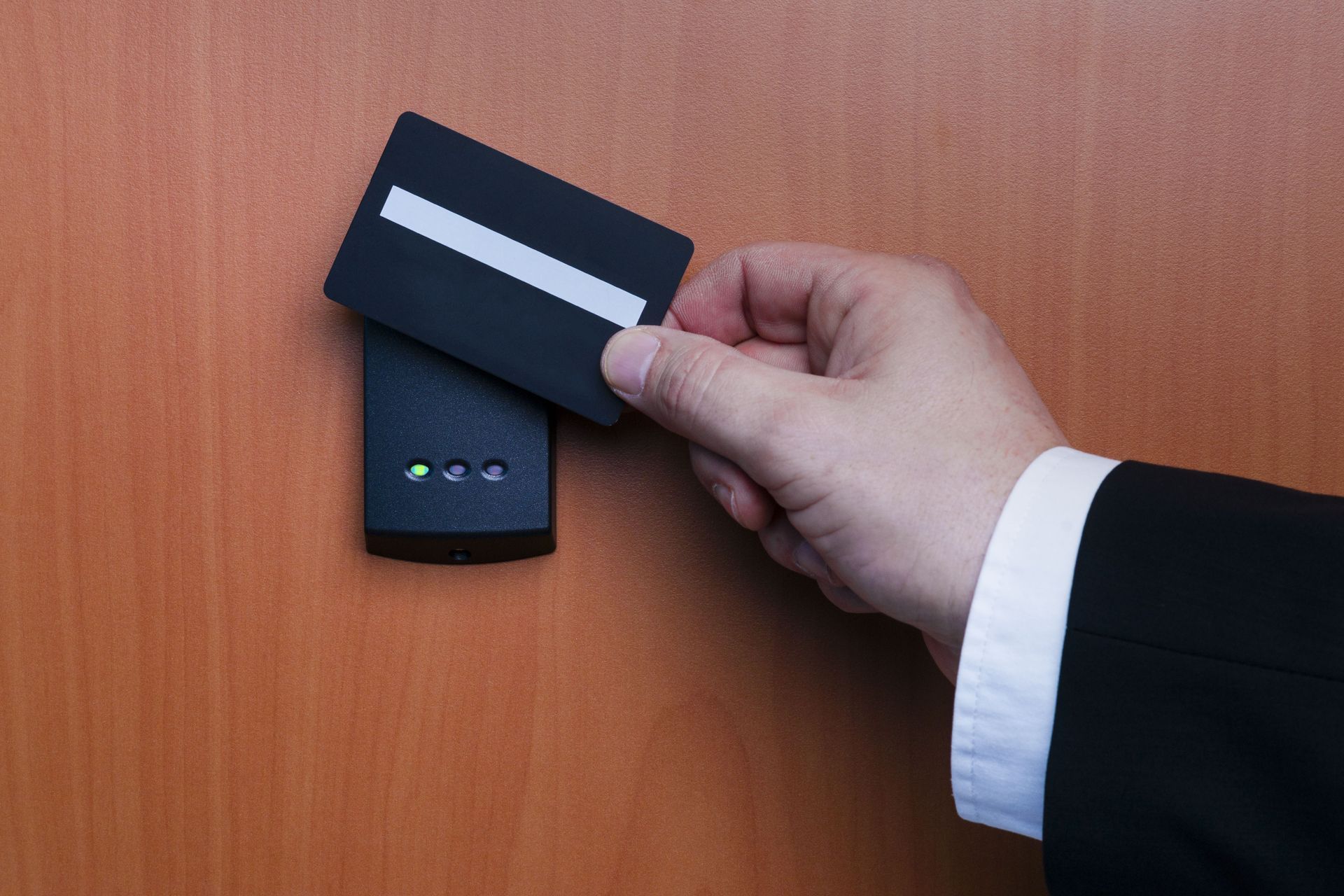
In an era w here security is paramount, the traditional methods of safeguarding premises with keys are quickly becoming obsolete. According to Technavio, the access control reader market size was expected to expand by over $884 million from 2023 to 2028, reflecting the increasing adoption of advanced systems in addressing security challenges. The shift towards digital security solutions is transforming how businesses protect their assets and ensure the safety of their employees. Access control systems have emerged as a crucial component in modern security strategies, offering enhanced protection, flexibility, and management capabilities over traditional key-based methods.
Key-based security presents numerous challenges, including lost or copied keys, which can compromise a business's security. In contrast, access control systems provide precise control over who is allowed access, when, and to which areas, thus minimizing the risks of unauthorized entries. This shift is not just a technological advancement but a strategic imperative for businesses seeking to bolster their security frameworks in today's fast-evolving threat landscape.
With the rapid advancement of technology, businesses recognize the need to adopt security measures that are not only effective but also adaptable to future changes. By replacing keys with digital access systems, companies are enhancing their security posture while also gaining greater insight and management over their environments. This article explores the various facets of access control systems and how they contribute to robust business security.
Enhanced Security Features
Access control systems offer advanced security features that traditional key systems cannot match. One such feature is the ability to restrict access based on various parameters, such as time of day or specific locations within a facility. This granularity allows businesses to implement tailored security measures that adapt to their unique operational needs and schedules.
Moreover, digital access control systems often come with capabilities for real-time monitoring and alerts, significantly enhancing a business's ability to respond to potential security threats swiftly. This immediate visibility into who enters and exits critical areas ensures that any unauthorized activity can be quickly identified and addressed.
The integration of biometric verification, such as fingerprint or retinal scanning, further enhances security by ensuring the person requesting access is indeed who they claim to be. These features not only prevent unauthorized entries but also deter potential breaches by increasing the difficulty of gaining illicit access. This comprehensive approach to security is a primary reason why businesses are increasingly opting for access control systems over traditional methods.
Improved Access Management
One of the most significant advantages of access control systems is the ease and precision of managing who can access what areas within a business. These systems allow for centralized control of access rights, which can be adjusted quickly to accommodate changes within the organization. This flexibility ensures that businesses can maintain security even as they grow and evolve.
Access control systems provide comprehensive logs and reports of all access events, offering detailed insights into personnel movements within the facility. This data is invaluable for auditing purposes and for optimizing security protocols based on observed patterns of access. Moreover, these systems can enforce policy compliance by preventing access to sensitive areas by unauthorized personnel, reducing the risk of internal data breaches.
By leveraging digital credentials or biometrics, businesses can significantly reduce the administrative burden associated with lost or stolen keys. In situations where access rights need to be revoked, digital systems facilitate immediate changes without requiring the physical collection of keys or resetting of lock codes. This streamlined approach to access management is a key reason why many businesses are transitioning to digital access control solutions.
Scalable Solutions for Businesses
Access control systems are inherently scalable, making them an ideal security solution for businesses of all sizes. Unlike traditional security methods, digital systems can grow with a business, adding new users and integrating new access points as needed. This scalability is crucial for companies experiencing rapid growth or those anticipating infrastructure changes in the future.
Whether a business is expanding its physical footprint or adapting to industry changes, access control systems can be adjusted and expanded seamlessly to accommodate new requirements. The modular nature of these systems allows businesses to customize their security setups without disrupting daily operations, ensuring continuity and minimizing downtime.
Additionally, as technology continues to evolve, updated components and software can be integrated into existing systems to enhance functionality and security. This ability to future-proof access control solutions is vital for businesses aiming to maintain high-security standards in an ever-changing technological landscape. It ensures that security investments remain relevant and effective for the long term.
Integration With Other Security Systems
One of the standout benefits of modern access control systems is their ability to integrate with other security measures to create a comprehensive security ecosystem. Access control can be linked with video surveillance systems to provide visual verification of access events, enhancing the reliability and effectiveness of security protocols. This integration allows for a layered security approach that significantly improves overall safety.
Access control systems can also work in conjunction with alarm systems to alert security personnel in the event of unauthorized access attempts. In such cases, the system can trigger alarms and initiate lockdown procedures to counteract potential security breaches. This level of integration provides a robust response mechanism that is crucial for protecting sensitive areas and valuable assets.
Furthermore, businesses can utilize access control data to optimize physical security measures, such as staffing and patrols, based on observed patterns and needs. This synergy between access control and other security systems ensures a higher standard of protection, making it easier for businesses to safeguard their operations effectively. The ability to integrate various security technologies into a cohesive strategy is what sets digital access control systems apart as a vital component of business security.
Cost-Effectiveness in the Long Run
Though the initial investment for access control systems may be higher than traditional keys and locks, they offer considerable cost savings over time. The ability to quickly manage and change access rights reduces the need for rekeying locks or replacing physical keys, both of which can be expensive and time-consuming. This efficiency in managing access credentials translates into direct savings for the business.
Moreover, the integration of access control with other security measures can minimize the need for additional security personnel, which further reduces operational costs. Businesses are better positioned to allocate resources efficiently when they have a streamlined security system that automates many functions. Over the long term, the reduced risk of security breaches also translates into cost savings by avoiding potential losses and liabilities associated with unauthorized access.
The ability to conduct regular audits and generate comprehensive access logs can aid in ensuring compliance with industry-specific regulations, potentially avoiding costly penalties. As a result, the cost-effectiveness of access control systems is a compelling consideration for businesses looking to optimize their security investments. The technological advancements in access control provide not only enhanced security but also a financially sound approach to managing business security needs.
As security challenges continue to evolve, relying on traditional key-based systems is no longer sufficient for many businesses. Access control systems provide a more advanced, flexible, and reliable approach to protecting assets, employees, and sensitive information. By offering features such as real-time monitoring, customizable access permissions, and seamless integration with other security technologies, these systems allow businesses to take a more proactive and informed approach to security management.
Beyond improved protection, access control systems also support long-term efficiency and adaptability. Their scalability, ease of management, and ability to reduce operational costs make them a practical investment for organizations of all sizes. As businesses continue to prioritize both security and efficiency, adopting modern access control solutions represents a forward-thinking step toward maintaining a safer, more controlled, and future-ready environment. Take control of your business security today with help from Marsh Cable & Connectors, Inc.