June 2, 2026
Home security has evolved far beyond traditional locks and keys. In today’s connected world, homeowners are increasingly turning to digital tools and smart technology to protect their families and property. One of the most effective ways to improve residential security is through access control systems. These systems help regulate who can enter a home, when they can enter, and how access is monitored over time.
As smart homes continue to grow in popularity, understanding the fundamentals of access control has become more important for homeowners of all backgrounds. Whether someone lives in a single-family home, an apartment, or a multi-unit property, the right security setup can provide both convenience and peace of mind. Modern systems allow homeowners to monitor entrances remotely, receive alerts, and customize permissions for different users.
According to This Old House, advanced access control systems can provide homeowners with added confidence through features such as 24/7 monitoring, emergency notifications, and sophisticated security equipment. These advancements demonstrate how technology is reshaping the way people think about home protection.
By learning about the various types of systems available and the features they offer, homeowners can make informed decisions that fit their needs and budgets.
What Is Home Access Control?
Access control is a security method designed to determine who is allowed to enter or use a particular space. In residential settings, it refers to systems that manage access to a home, garage, gate, or other secured areas. Instead of relying only on traditional keys, modern access control systems use electronic verification methods to grant or deny entry.
These systems authenticate a user’s identity through different methods such as passcodes, key cards, fingerprints, or smartphone applications. Once the system verifies authorization, the designated door or entry point unlocks.
The main goal of access control is to prevent unauthorized entry while making access more convenient for approved users. This technology is especially valuable for families with children, homeowners who travel often, or individuals who want greater oversight of household activity.
Another benefit is accountability. Many systems maintain activity logs that record when someone enters or exits the property. This information helps homeowners monitor security and identify unusual behavior if concerns arise.
As technology becomes more integrated into everyday life, access control systems are becoming more common in residential properties of all sizes and budgets.
How Does Access Control Improve Home Security?
A reliable access control system strengthens home security by reducing the risks associated with traditional locks and keys. Physical keys can be lost, stolen, or copied, while digital systems offer more flexibility and oversight.
One major advantage of access control is the ability to customize permissions for different users. Homeowners can assign temporary codes or digital credentials to family members, guests, contractors, or service providers. If access needs to change, permissions can often be updated instantly without replacing locks.
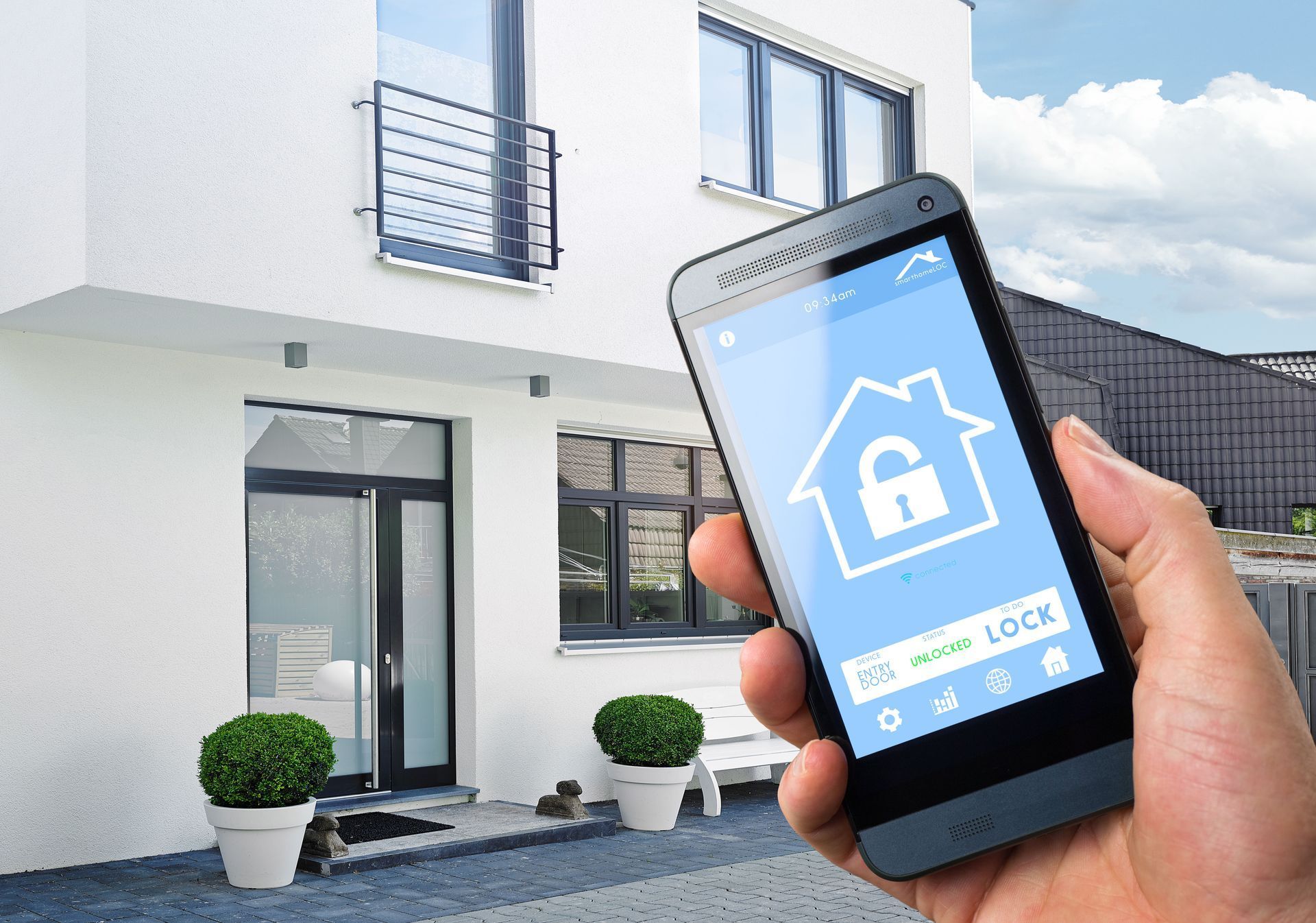
Remote management is another important feature. Many modern systems allow homeowners to lock or unlock doors through mobile applications. This functionality is useful for people who forget to secure their homes or need to grant temporary access while away.
Real-time alerts also improve awareness. Some systems notify homeowners when someone enters the property, attempts unauthorized access, or leaves a door open. These notifications allow for quicker responses to suspicious activity.
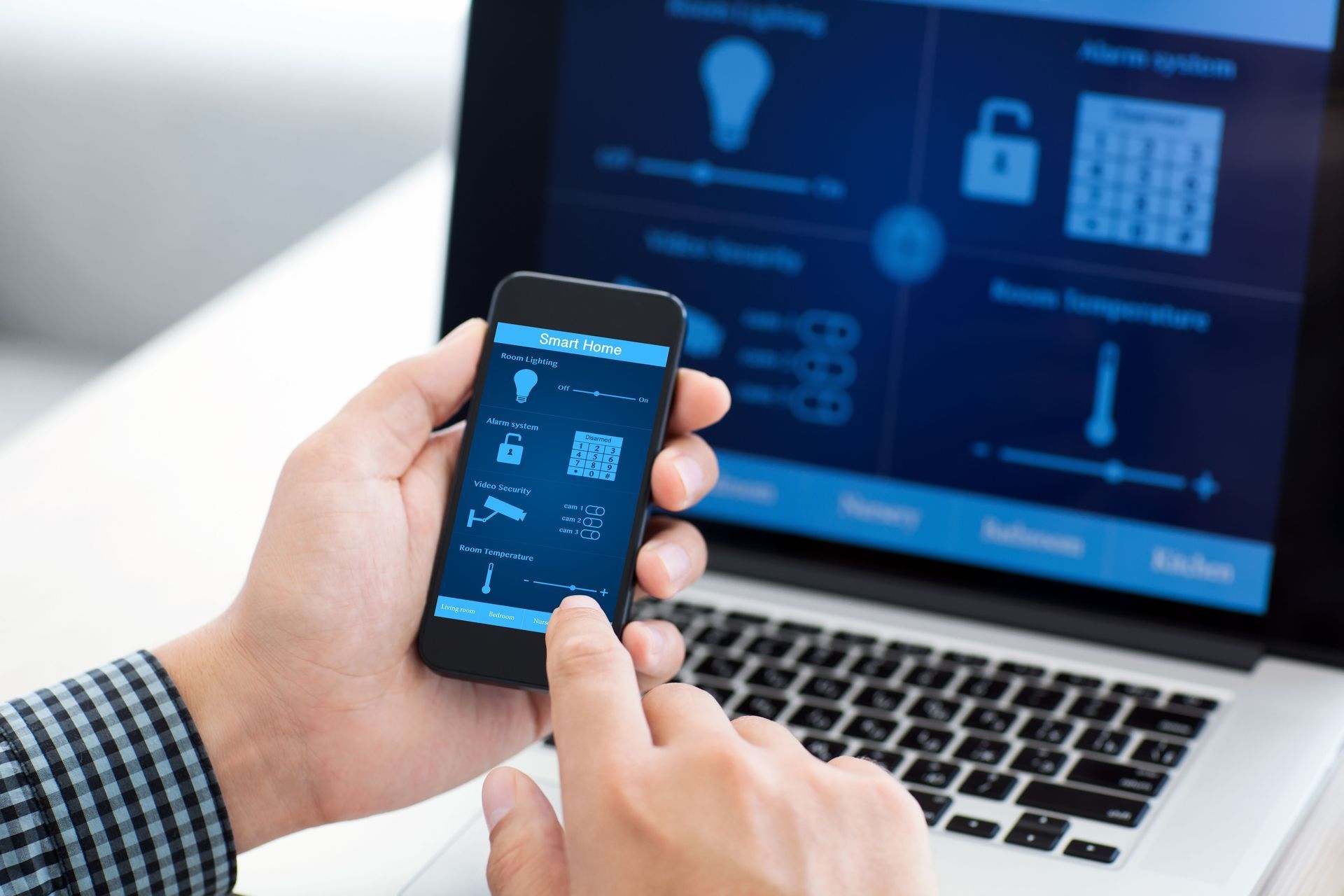
Many access control systems also integrate with cameras, alarms, and other smart home devices. Together, these technologies create a more comprehensive security network that improves monitoring and protection.
Beyond security, these systems add convenience to daily life. Homeowners no longer need to hide spare keys or coordinate physical handoffs. Digital access simplifies household routines while improving safety.
What Types of Access Control Systems Are Available for Homes?
There are several types of access control systems available for residential use, each offering different benefits and features.
Keypad systems require users to enter a numerical code to unlock a door or gate. These systems are popular because they are affordable, simple to install, and easy to update when codes need to change.
Card and key fob systems use electronic credentials that communicate with a reader to grant access. These systems are convenient because users only need to tap or wave a card near the device. Lost cards can usually be deactivated quickly without replacing the entire system.
Biometric systems provide a higher level of security by using unique physical traits such as fingerprints or facial recognition. Because biometric data is difficult to duplicate, these systems offer strong protection for homeowners seeking advanced security solutions.
Smart locks are among the most popular forms of access control today. These devices connect to Wi-Fi or Bluetooth and allow homeowners to manage locks through smartphone apps. Many smart locks also support temporary digital keys and integration with voice assistants or other smart home technology.
Each type of system comes with its own advantages and drawbacks. The best option depends on factors such as budget, desired features, and household needs.
What Are the Essential Features of a Good Home Access Control System?
An effective access control system should include several important features to provide both security and convenience.
Remote access is one of the most valuable capabilities. Homeowners can monitor and manage their systems from almost anywhere using mobile applications. This feature is especially useful for people who travel frequently or manage multiple properties.
Audit trails and activity logs are also important. These records track who entered the home and when the event occurred. Activity logs improve accountability and help homeowners identify suspicious behavior if needed.
Smart home integration is another desirable feature. Many homeowners prefer systems that work with cameras, alarms, lighting controls, and voice assistants. Integrated systems create a more connected and efficient home environment.
Emergency functions can also improve safety. Some systems include battery backups, automatic locking features, or emergency notifications that continue operating during power outages or urgent situations.
Ease of use should never be overlooked. Even advanced access control systems should have clear instructions and user-friendly interfaces that every household member can operate comfortably.
How to Choose the Right Access Control System for Your Home
Selecting the right access control system depends on a homeowner’s specific needs, budget, and lifestyle. Every property is different, so it is important to evaluate priorities before making a decision.
Some homeowners may prioritize convenience and remote management, while others focus on advanced monitoring and maximum protection. Understanding these goals can help narrow down the available options.
Budget plays a major role as well. Basic keypad systems are typically more affordable, while biometric systems and advanced smart home integrations often involve higher upfront costs. However, investing in a quality system may provide greater long-term value and reliability.
Homeowners should also consider installation requirements. Some systems are designed for a simple DIY setup, while others may require professional installation and ongoing technical support.
Scalability is another factor worth considering. Families may eventually want to expand their access control systems by adding more doors, gates, cameras, or smart devices. Flexible systems allow for future upgrades without replacing existing equipment.
Researching product reviews and customer support can also help homeowners make informed choices. Reliable manufacturers often provide software updates, technical assistance, and better long-term security protections.
Modern access control systems provide homeowners with an effective way to improve security, convenience, and peace of mind. From smart locks and keypads to biometric scanners and integrated monitoring systems, today’s technology offers flexible solutions for a wide variety of homes.
By understanding the basics of access control, exploring different system types, and identifying key features, homeowners can make informed decisions that align with their security goals. Choosing the right system can help create a safer and more connected home for years to come. If you're looking for a quality
access control
system, reach out to the team at Marsh Cable & Connectors, Inc today!